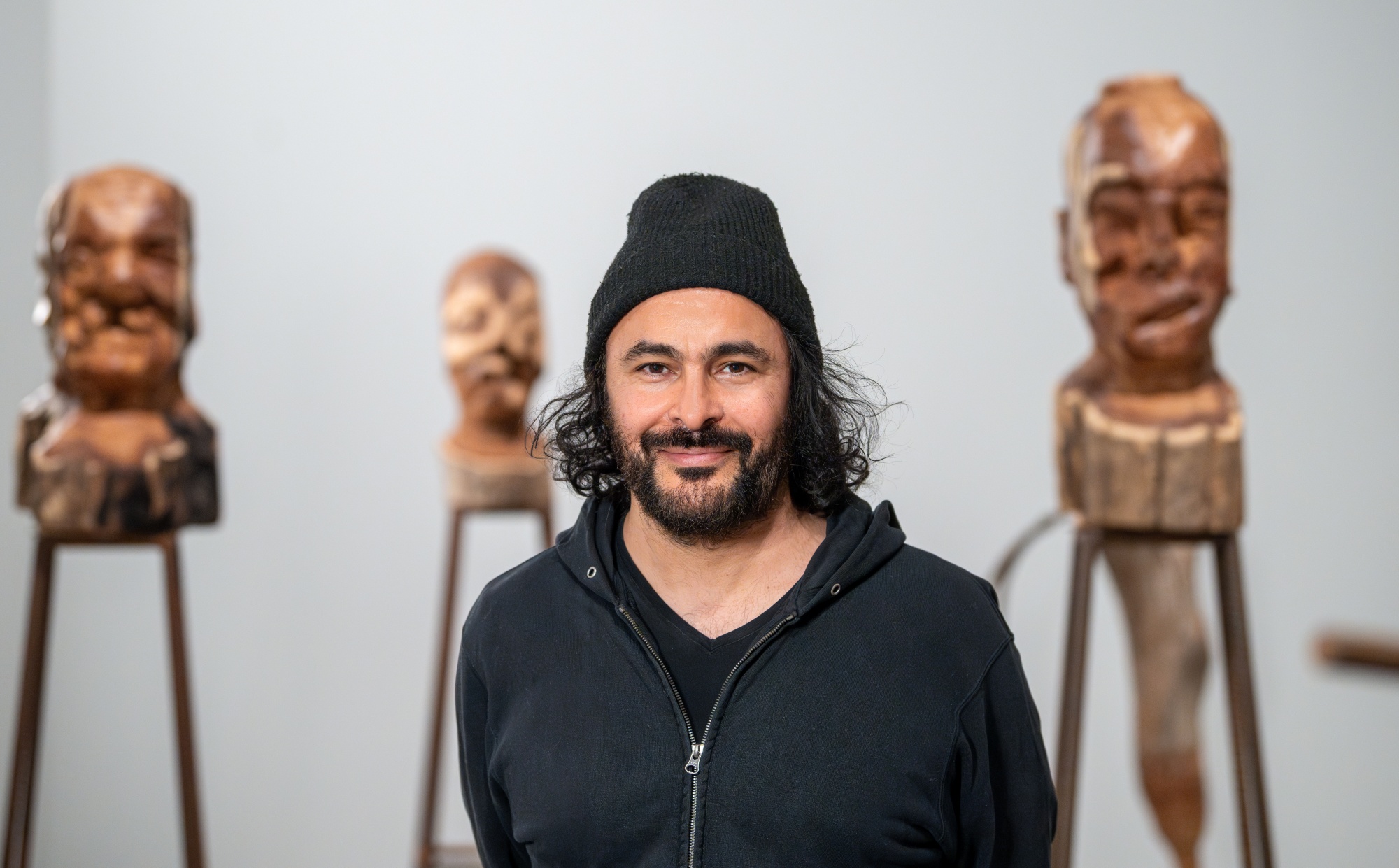
Kader Attia: Curating Kochi Through the World, and the World Through Kochi
The internationally acclaimed French-Algerian artist becomes the first international curator of the Kochi-Muziris Biennale, bringing with him a vision rooted not in borders, but in movement, memory and the shared histories of the Indian Ocean.
W
hen the Kochi Biennale Foundation announced Kader Attia as the curator of the Seventh Kochi-Muziris Biennale (2027–28), it marked a significant moment in the history of India's largest contemporary art event. Attia is the first international curator to lead the Biennale, following six editions shaped by Indian artists. Yet in a short interview with SCALE after the announcement, it becomes clear that his interest lies less in being “the first” and more in understanding Kochi as a place that has always belonged to many worlds at once.
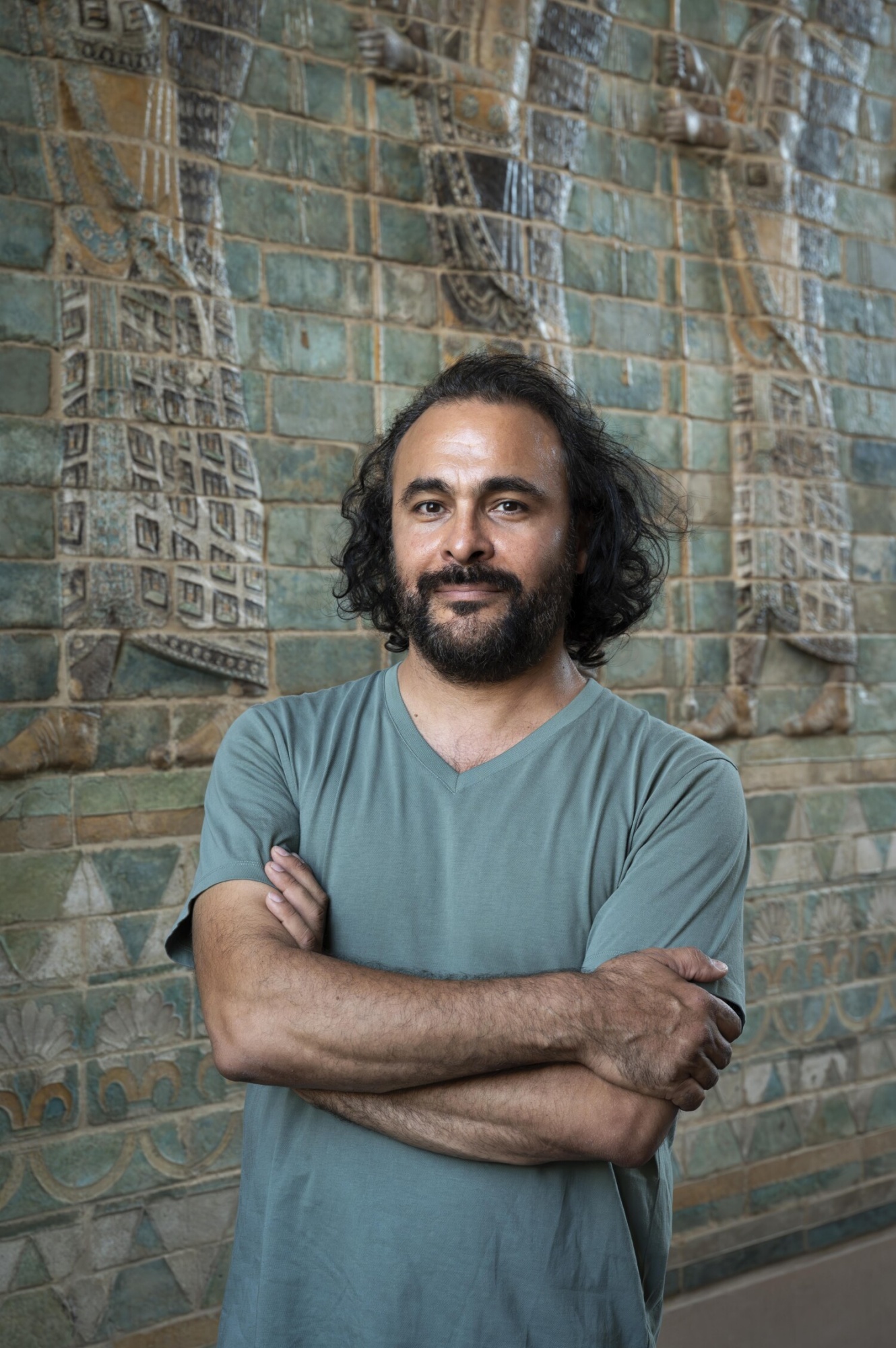
Kader Attia was awarded the Joan Miró Prize (2017), the Yanghyun Prize (2017), the Prix Marcel Duchamp (2016), the Cairo Biennale Prize (2009) and the Abraaj Capital Art Prize (2009). He was also curator of the 12th Berlin Biennale (2022).
Attia was selected by a committee chaired by Jitish Kallat. Its members were Shilpa Gupta, Amrita Jhaveri, Pooja Sood, Tasneem Zakaria Mehta, Mariam Ram, and Rirkrit Tiravanija. The Seventh Edition of the Kochi-Muziris Biennale will open in December, 2027.
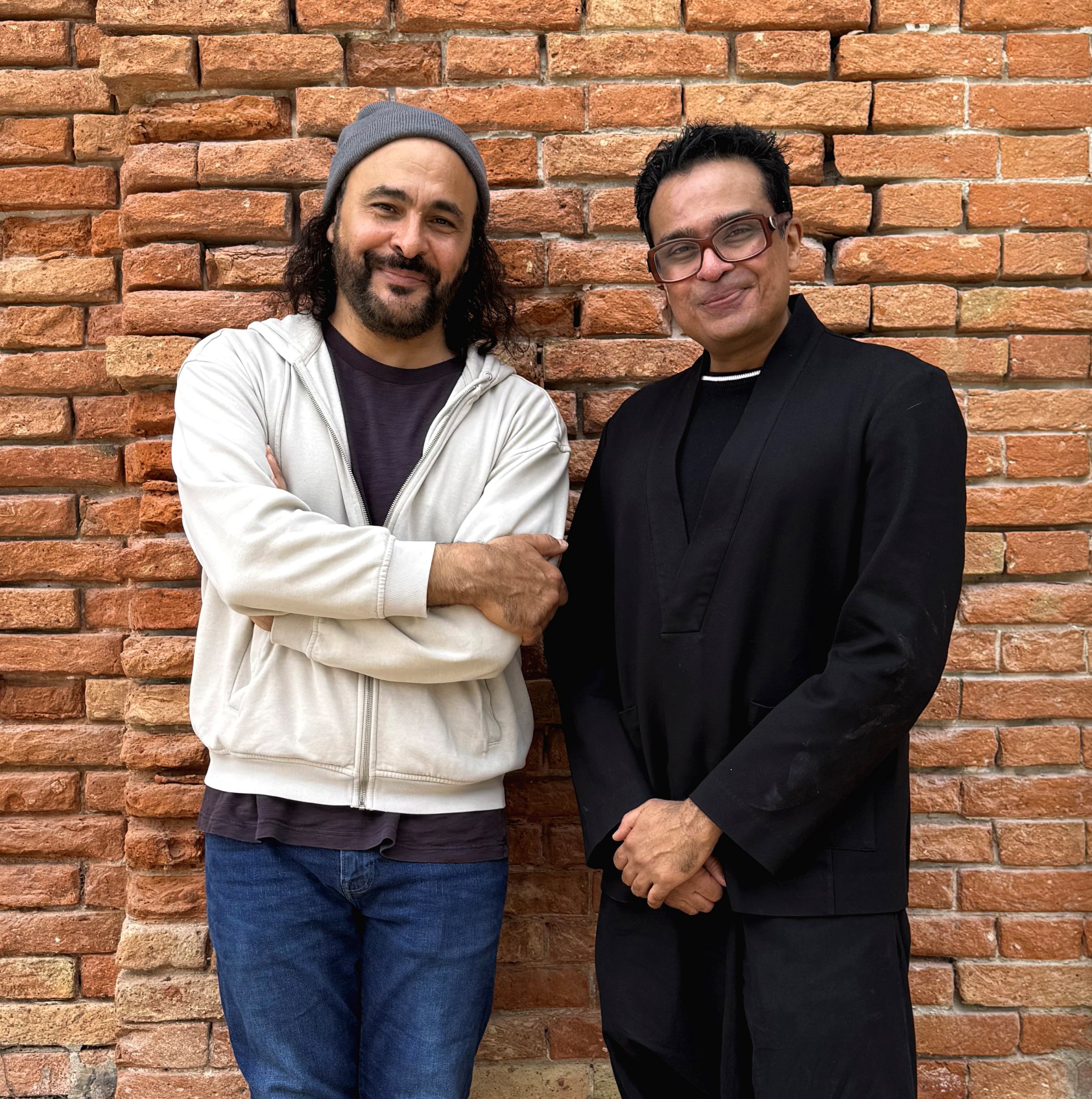
Kader Attia and Jitish Kallat, Photo Credit_Hélène des Rieux
Born in Dugny, France, in 1970, Attia is an internationally recognised artist, curator, and professor at the University of Fine Arts Hamburg (HfbK Hamburg). His practice engages deeply with questions of history, memory, repair, and the enduring legacies of colonialism. Working across installation, sculpture, film, and archival research, Attia has developed a body of work that brings together artistic, anthropological, and philosophical inquiry.
For an artist whose practice has long explored memory, colonial histories, migration and repair, Kochi offers more than a space for an exhibition. It represents a living geography where centuries of exchange remain visible in everyday life.
“What really struck me when I was in Kochi and walking through the streets is the presence of Arab culture that you can find in many ways,” Attia says. “You discover that there are other diasporas and histories that existed long before colonialism.”
“Most of the time when you live as a diasporic person in the North, you feel isolated; you feel that there's only one form of being the diaspora, by being the brown people in the North,” he says. “I think the relation between the Arab world and India is also very interesting and you see glimpses of this historical trade and connection in the ways of life in Kochi.”
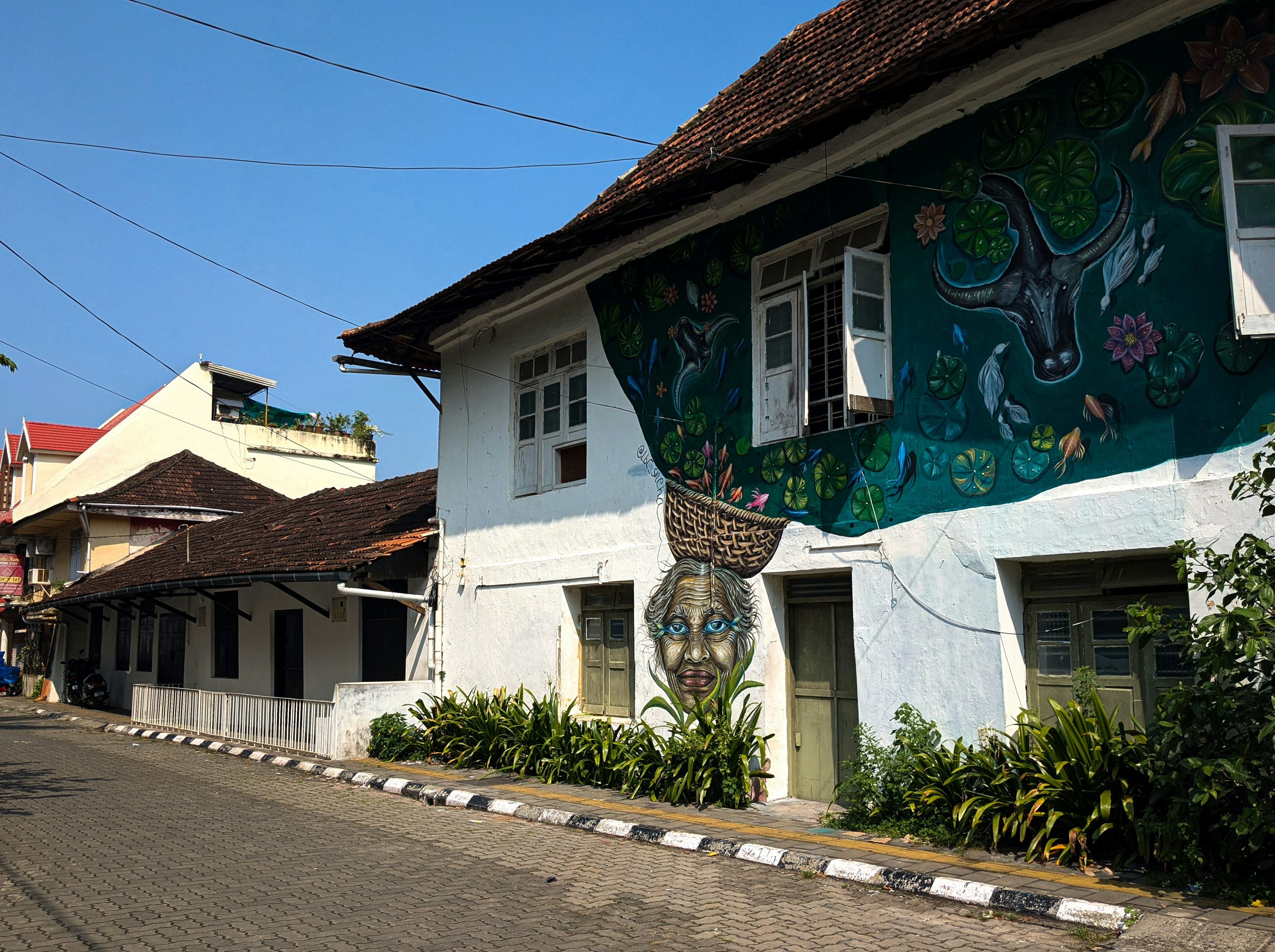
The Fort Kochi charm, captured by Sai Sumith
Rather than seeing Kochi merely as a destination, Attia sees it as evidence of centuries of movement across the Indian Ocean, where people, ideas, religions and cultures travelled, creating relationships that continue today.
Attia intends to spend time in Kochi and elsewhere in India as his research develops. “But not just for the technical aspect of the Biennale but also for the intellectual aspect,” he says.
“Kochi is an amalgamation of visitors, not just the colonisers but also from other areas as well, and that is why I am so interested to be in Kochi and experience and understand the various layers of the region, its connections and the histories of trade.”
And so, we ask him what will guide his curatorial quest as he begins searching for the artists, ideas and practices that will eventually shape the Biennale. At this early stage, there are deliberately few fixed answers.
His process appears to begin while he is acutely looking, listening, meeting artists and allowing conversations to develop. Some of those conversations have already begun.
Beyond the North-South Narrative
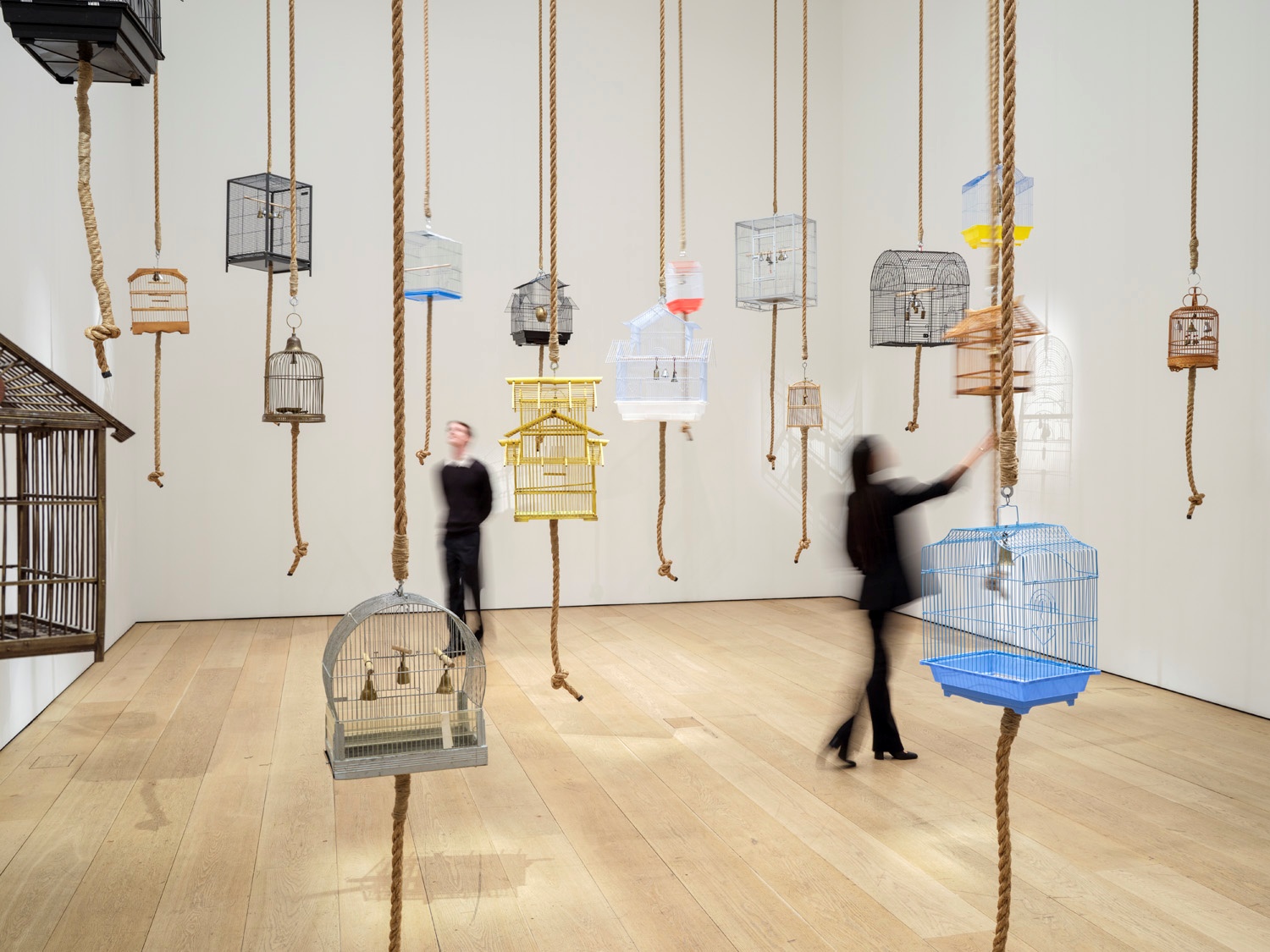
Shattering and Gathering our Traces draws on Attia’s background in history and politics to speak to the reconstruction of identity within the structures of contemporary society.
Much of Attia's artistic practice has been shaped by questions of migration and postcolonial identity.
Like the time, he exhibited at Mathaf: Arab Museum of Modern Art, Qatar, in 2022. Kader Attia: On Silence was a major solo exhibition dedicated to Attia’s work over the last two decades, curated by Abdellah Karroum with Assistant Curator Lina Ramadan. The exhibition featured a wide range of work across all media and included site-specific installations, sculptures, collages, drawings, video and photography.
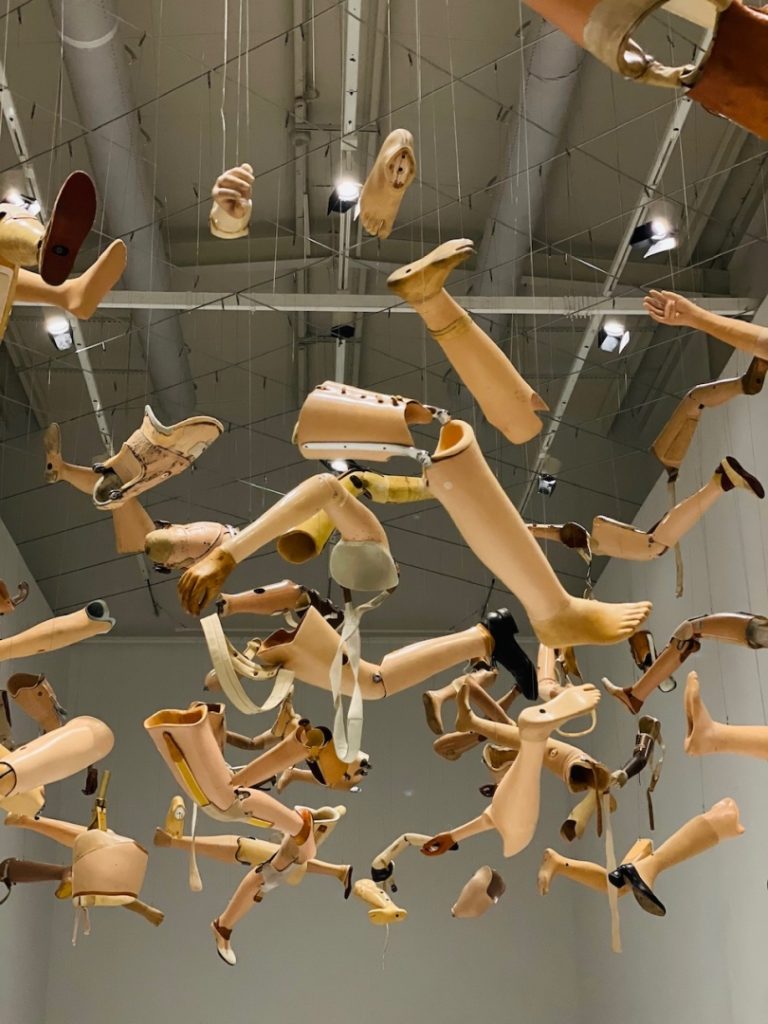
On Silence is filled with prosthesis, commissioned by Mathaf, Doha. The work explores how physical trauma endures long after conflict, independence, or slavery, urging viewers to confront the lasting realities of amputated bodies.
He speaks about how diasporic identities are often framed through migration towards Europe or North America. Kochi revealed another story entirely, one built through long-standing exchanges with the Arab world, East Africa and the wider Indian Ocean.
The connections between Kerala and the Gulf countries, he notes, are impossible to ignore. Families have moved between these regions for generations, maintaining relationships that continue to shape both societies.
Drawing on the writings of Martinican philosopher Édouard Glissant, he reflects on the idea of Créolisation, the understanding that identity is never fixed but continually formed through encounters with others.
“People will be born in one culture, live in another and probably die in a third,” he says. “It is not only about moving physically. It is about accepting cultural change as something that makes society dynamic and strong. It is from taking bits and pieces of the different cultures and making one of your own.”
This philosophy appears likely to become one of the intellectual foundations of the Biennale itself.
A Collective Individualisation
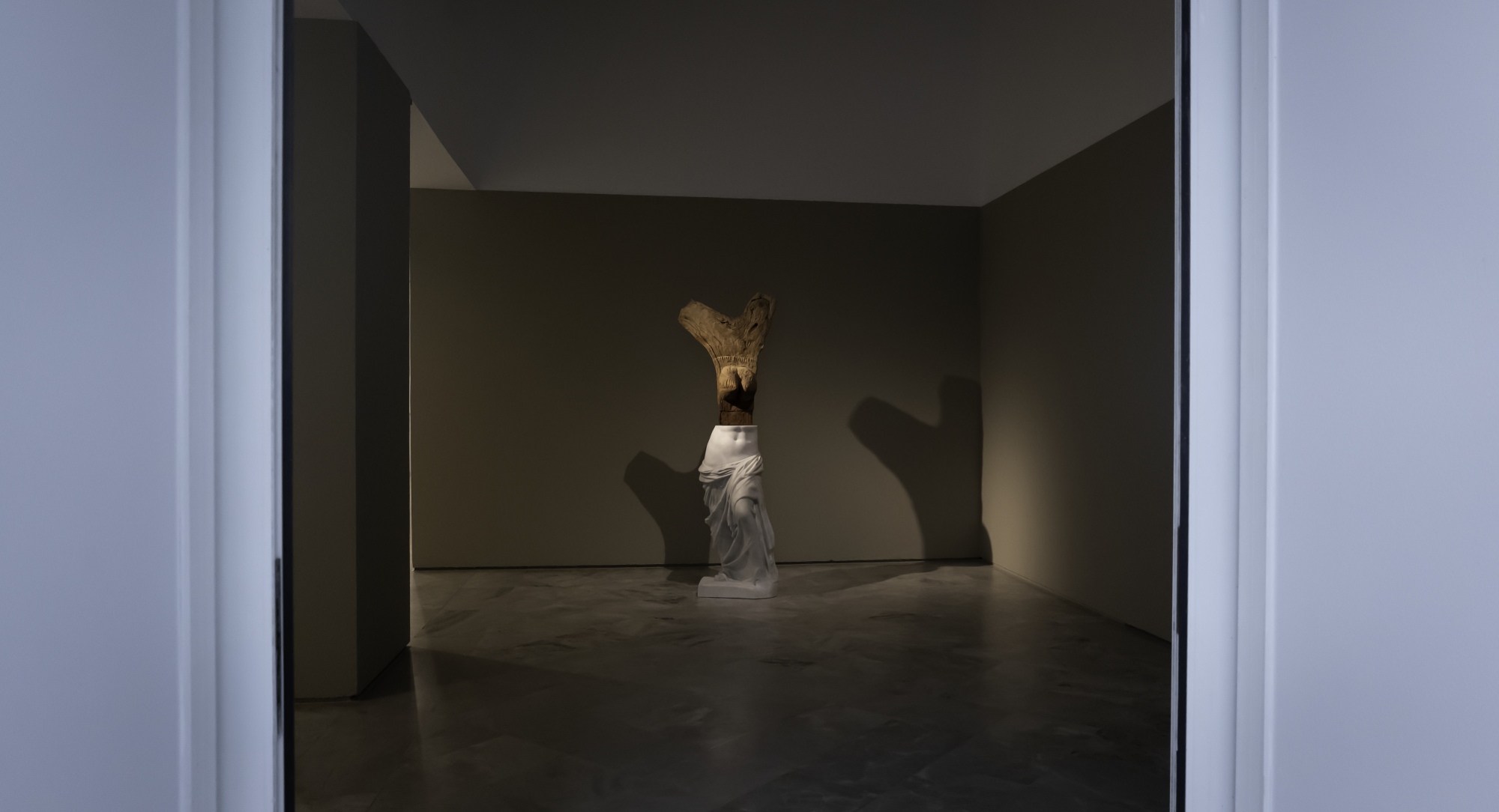
KADER ATTIA 'La Vénus Dogon / The Dogon Venus' 2024, wood and marble
Understanding Kochi has been a pursuit for Attia over several visits. He has attended various editions of the Biennale, but it was during one visit with his family, without work compulsions defining the experience, that he began to understand something else about the relationship between the Biennale and its city.
“To truly understand the impact of a Biennale on the city that hosts it, you have to experience the city not during the opening, but much later. It is when the glare of the public and international media has faded that you begin to see what the Biennale really means to the local population. I was genuinely surprised by the level of local participation, and by how positively people engaged with it.”
Though Attia had no idea then that he would one day return to curate this Biennale of the people, he remembers thinking that this was exactly the direction in which Biennales needed to move.
“A Biennale should be a place for the audience, for the people; it is not a place only for the art world or the art market. Of course, we cannot avoid that aspect of it, but we live at a time when there is a crucial lack of education, and ignorance produces intolerance.
There is another reason why those crowds matter to Attia. Contemporary art, he says, has long suffered from what he calls a “divorce” from society, perceived as elitist, inaccessible and difficult to understand.
“When I see a Biennale crowded with people from, let's say, 15, 18 years old until old people, I'm very confident for humanity,” he says.
Whether it is a market, concert, beach or exhibition, Attia believes there remains a fundamental human need to inhabit the public sphere together. It is a need increasingly challenged by what he calls the “digital colonisation of our free will”.
“The art exhibition is probably one of the last spaces to protect.”
Although it is still early in the curatorial process, Attia repeatedly returns to one idea: Kochi should not merely host the Biennale; it should shape how the Biennale thinks.
Rather than imposing an external framework onto the city, he wants Kochi itself to become the lens through which wider global questions are explored.
“I'm interested in how Kochi can be seen from within, but also how the world can be seen through Kochi and how Kochi can be seen through the world.”
Starting From Scratch
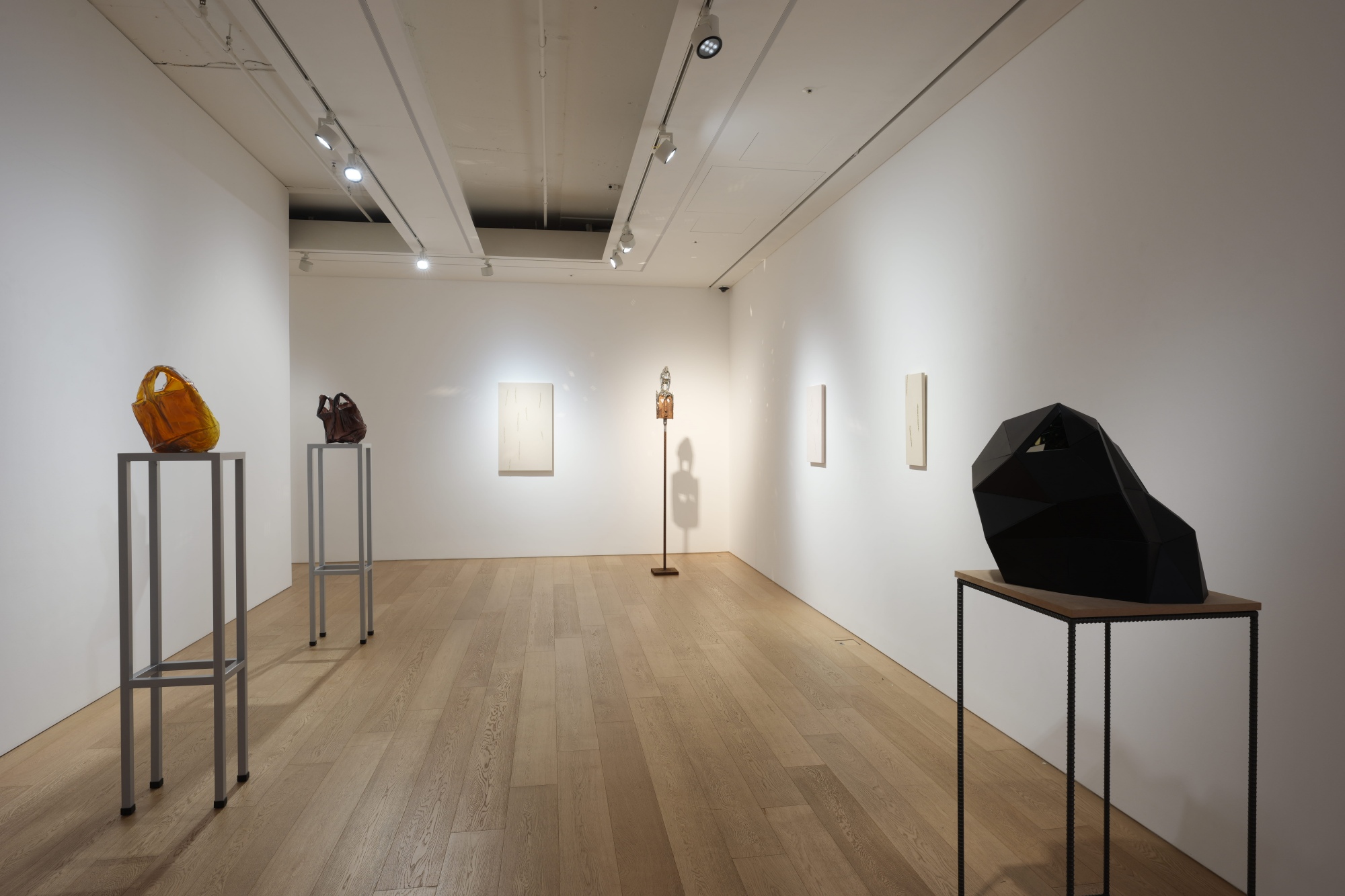
Kader Attia, Irreparable Repairs
Attia’s thinking for Kochi begins with concerns extending far beyond the Biennale. He looks at a world confronted by environmental catastrophe, political polarisation and the growing influence of digital technology on public opinion and arrives repeatedly at the importance of gathering, of being physically present with one another and remaining open enough to listen to voices different from our own.
“All of this, for me, calls for a gathering,” he says, “the importance of being together, being flexible enough to accept and at least listen to the other voices.”
Art, he believes, possesses an unusual capacity to hold those differences together. An exhibition can contain people of radically different political opinions, cultures and experiences without demanding that those differences disappear.
But reinvention, for Attia, requires going back before moving forward.
“If we know that everything we believed in has failed, and that we have the impression that our future has been stolen, what could we do to restart?” he asks. “I think we should probably restart from scratch.”
By “scratch”, Attia does not mean erasing history. His is a search for something more elusive: the moment before an idea becomes an idea. He is interested in the territory between consciousness and the unconscious, and in dreams and impulses that precede fully formed thought.
To restart from scratch, then, becomes an introspective exercise, one that draws upon philosophy, psychoanalysis and art to look backwards before “pulling the thread”, as Attia describes it, towards the present and the future.
At the centre of this is perhaps one of the most compelling ideas within his curatorial thinking: the “sovereignty of dreams”.
“When I'm speaking about the sovereignty of dreams, I'm actually referring to the sovereignty of thinking,” Attia says.
For Attia, our ability to dream, and therefore to think freely, is increasingly under pressure. We are so relentlessly addressed by the outside world that we risk losing the ability to hear our own “inner voices”.
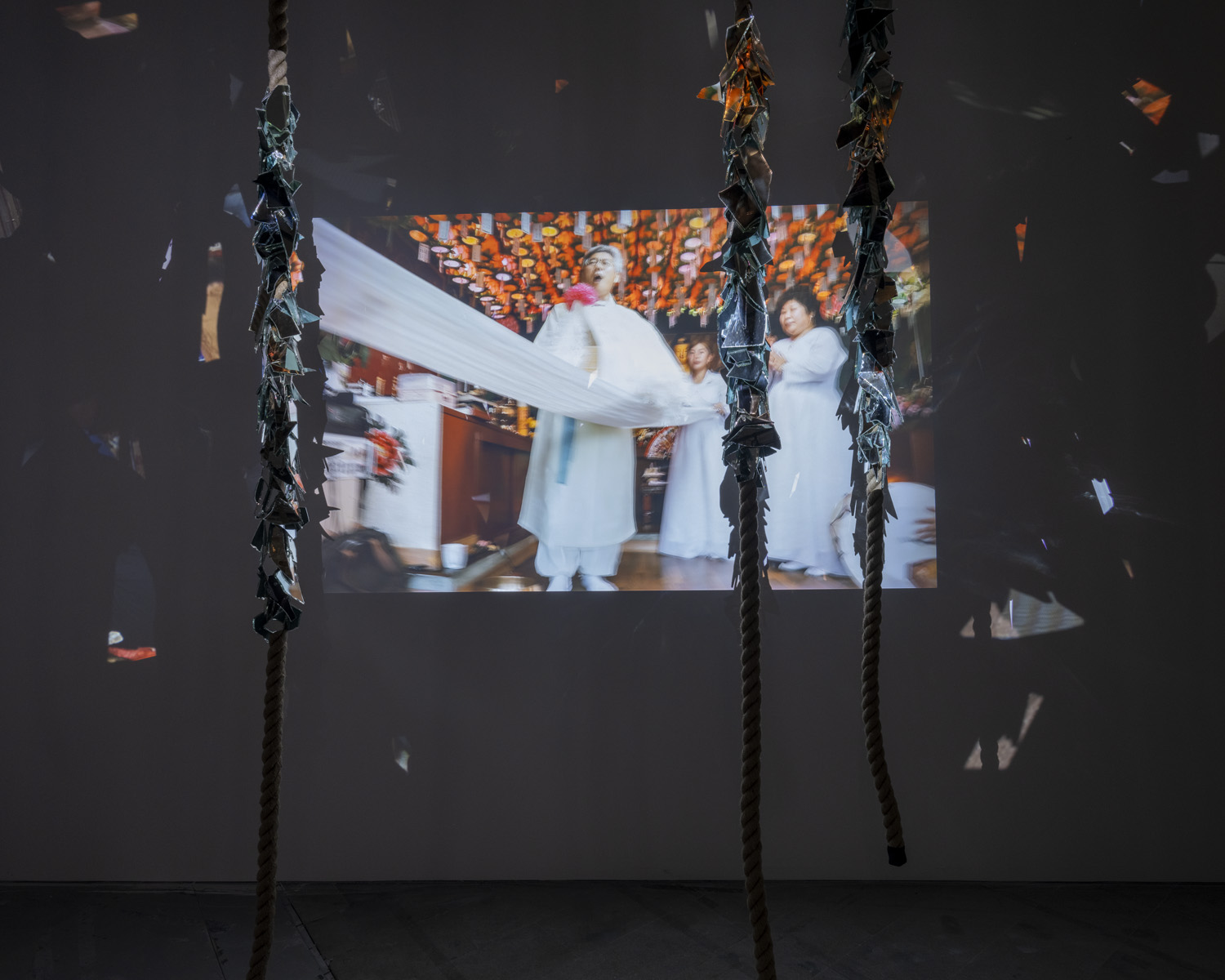
Kader Attia Installation view In Minor Keys 61st International Art Exhibition of La Biennale di Venezia May 9–November 22, 2026
He draws a deliberate parallel with colonialism: where land was once claimed and transformed into property, digital technology has found new territory in human attention. What was simply ours has acquired economic value.
Dreaming, Attia argues, must resist that fate. It should remain, as he puts it, “a public domain”. “Our capacity to dream is what has made humanity big, and fine, and sophisticated.”
This brings Attia back to art. The exhibition space, he says, is itself “one of the realms of dream”. Here, attention operates differently. The artist has invested attention in making a work; the viewer, in turn, gives attention to experiencing it. Attia describes what happens between them as an “attentional meeting”.
The encounter may last only a few moments. We may leave an exhibition and eventually forget the artwork itself. Yet a trace can remain somewhere in the unconscious, resurfacing weeks or months later, perhaps no longer as a memory of the work but as a subtle change in how we think.
Building Rather Than Importing
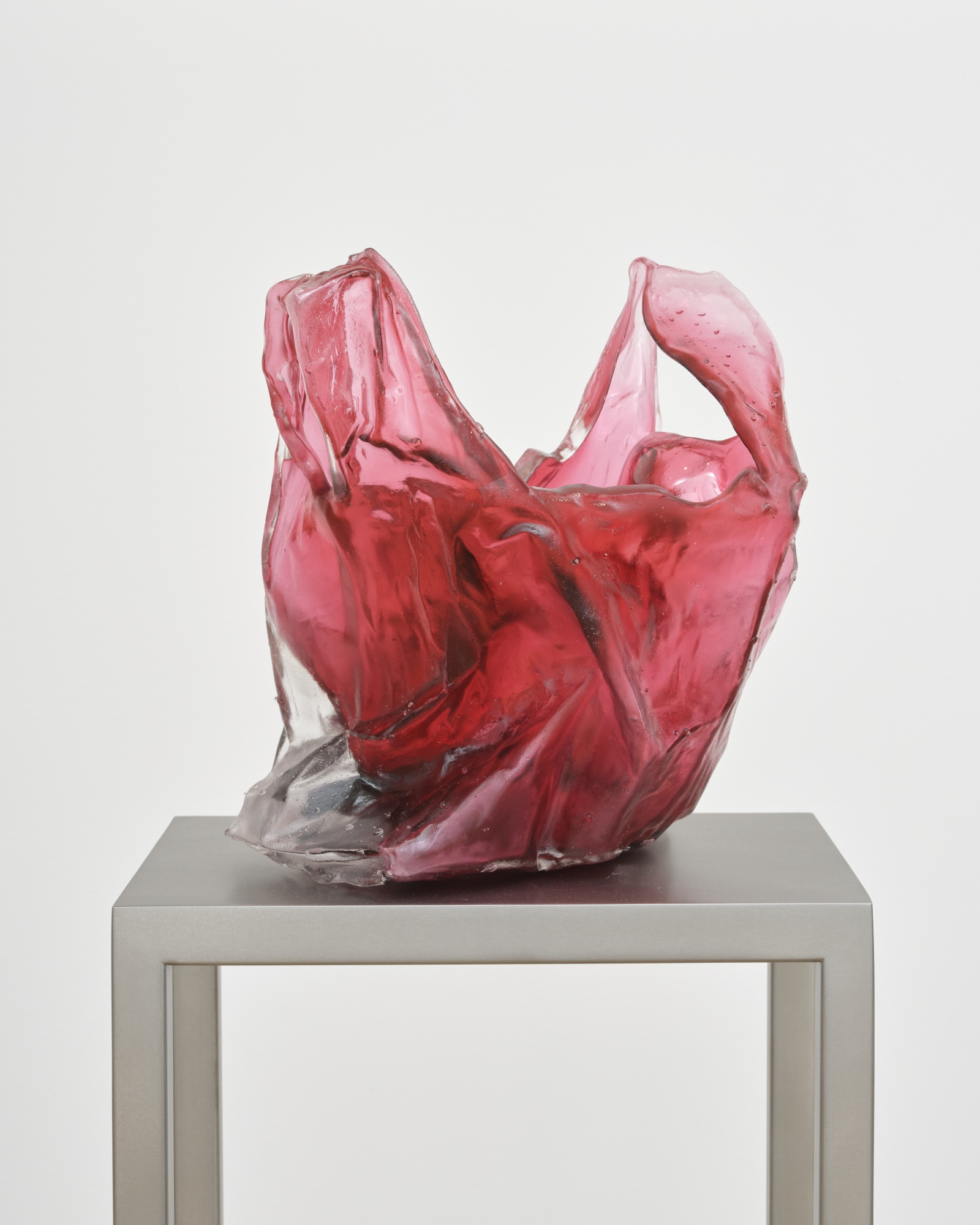
Kader Attia, Untitled Works
If these ideas provide the philosophical territory of the Biennale, there is also the question of how they will translate into what audiences actually encounter in Kochi.
Attia is clear that the Biennale should not become an exhibition where international artists simply arrive, exhibit and leave. Instead, he imagines a process of collaboration, where artists from Kochi, elsewhere in India and across the world actively build projects together.
“I would love installations made specifically for the Biennale,” he says. “But also bringing energy from outside to meet energy from inside.”
He hopes audiences encounter works that emerge through shared making.
It is an approach that reflects his wider artistic practice, and also returns to his understanding of Kochi: a city formed through encounters, exchanges and histories that cannot easily be separated into neat geographical categories.
Kochi is the Key
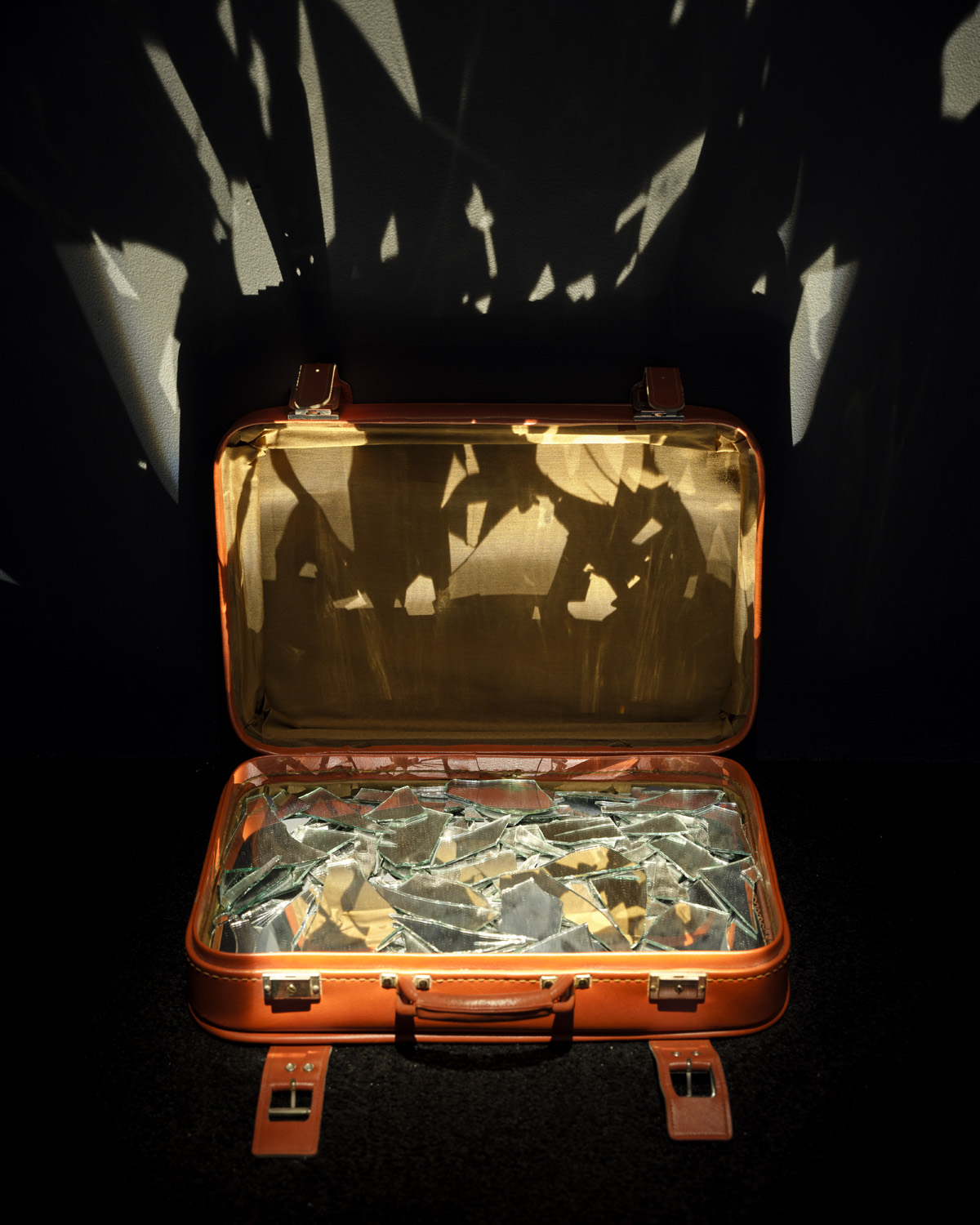
La Valise oubliée (The Forgotten Suitcase) is a 2024 multimedia video and sculptural installation by French-Algerian artist Kader Attia that uses old suitcases as metaphors for personal and collective memory.
Unlike many international Biennales that remain confined within exhibition venues, Kochi unfolds through streets, cafés, waterfronts and neighbourhoods. He hopes the Seventh Edition embraces that quality even more fully.
“I would love the idea of showing work both inside and outside the venues,” he says.
For Attia, experiencing art is inseparable from experiencing a place.
He describes walking through Kochi for hours, stopping for tea, moving slowly through neighbourhoods and allowing the city's rhythms to shape perception.
He contrasts this with Venice, where dense crowds often dictate movement. Kochi, by comparison, allows visitors to wander.
That physical experience, he suggests, is inseparable from understanding the Biennale itself. Kochi is not simply the backdrop against which art will be displayed. Its climate, histories, communities, streets and rhythms are part of what artists will encounter and respond to.
If this first conversation offers an indication, Attia is not approaching Kochi with a Biennale already imagined and waiting to be installed. He appears to be doing almost the opposite: allowing the city, its histories, its artists and its connections with the wider world to complicate what the Biennale might become.
Perhaps that is where his idea of starting “from scratch” acquires its most immediate meaning.
The 7th Kochi-Muziris Biennale may ultimately be less about bringing the world to Kochi than about allowing Kochi, with all its layers, exchanges and contradictions, to become another way of looking at the world.