Precious Objects: The Art of Keeping What Matters
At Design Democracy 2026 in Hyderabad, Monika and Sarah Choudhary of ZHCollective | Habitat Architects presented AFTER LIFE, an exhibition exploring why certain objects acquire meaning beyond their original making. In conversation with SCALE, Monika Choudhary reflects on the stories behind the selection and the personal memories that shaped her understanding of preciousness. Through 12 carefully selected entries spanning furniture, art, lighting, sculpture and materials, the exhibition examined craftsmanship, memory and the relationships that make objects worth preserving.
W
What makes an object precious? Is it the material, the craftsmanship, the designer behind it or the memories it carries?
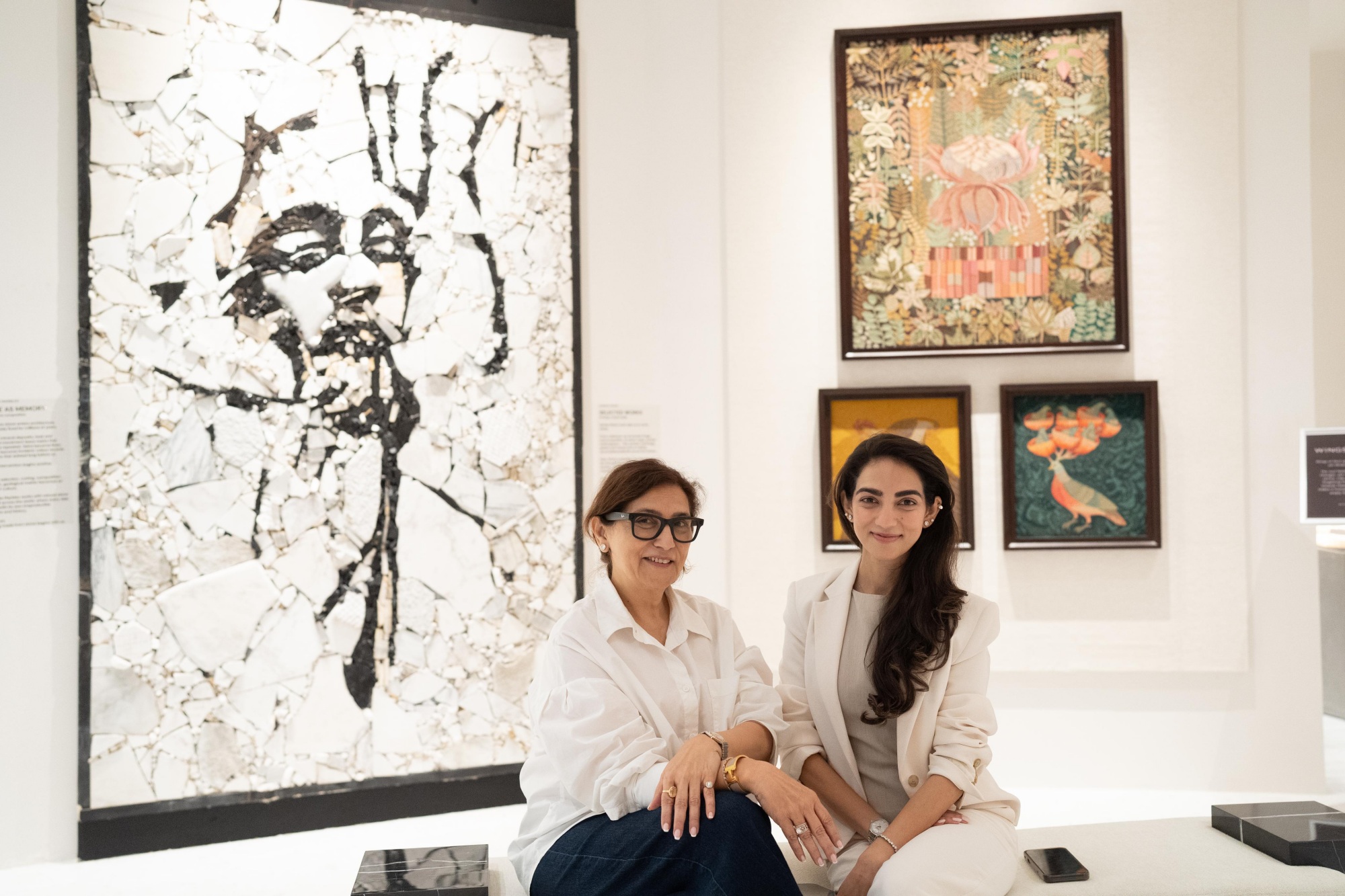
Monika Choudhary, Principal Designer | Founding Partner & CDO and Sarah Choudhary, Director – Interior Design, Hospitality and Commercial, ZHCollective | Habitat Architects
At Design Democracy 2026, held from September 18 to 20 at HITEX Exhibition Centre in Hyderabad, Precious Objects: AFTER LIFE invited visitors to consider these questions through a collection of objects presented within a carefully designed architectural environment.
Curated by Monika and Sarah Choudhary of ZHCollective | Habitat Architects, the exhibition moved beyond the conventional understanding of collectible design as something expensive, rare or exclusive. Instead, it explored how objects acquire meaning through use, human relationships and the passage of time.
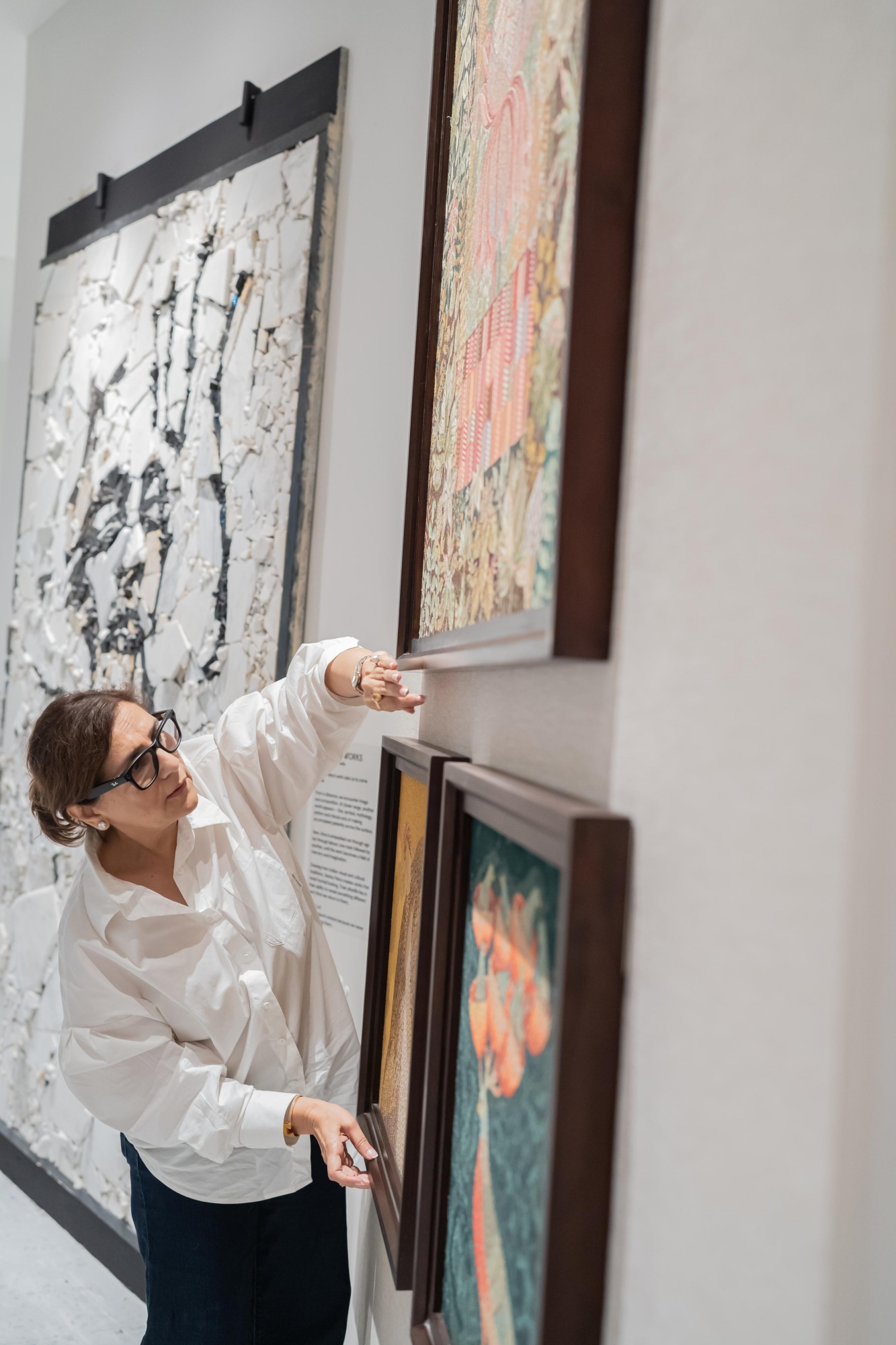
Monika Choudhary, Principal Designer | Founding Partner & CDO, ZHCollective | Habitat Architects
For Monika, who has spent more than three decades designing spaces, the question is particularly relevant today, when objects are increasingly purchased, replaced and discarded with little thought about their longevity.
"How do you define precious? What is precious to you?" we asked her, and she replied, "Precious for me is something which has an afterlife. In this world of so much access, we buy, and we throw, and we buy again," she says, "For us, precious is something which comes into you, lives with your memories and a lifetime and wants to continue with you forever, and you hold it close to your heart."
This idea informed not only the selection of the exhibits but also the way visitors encountered them.
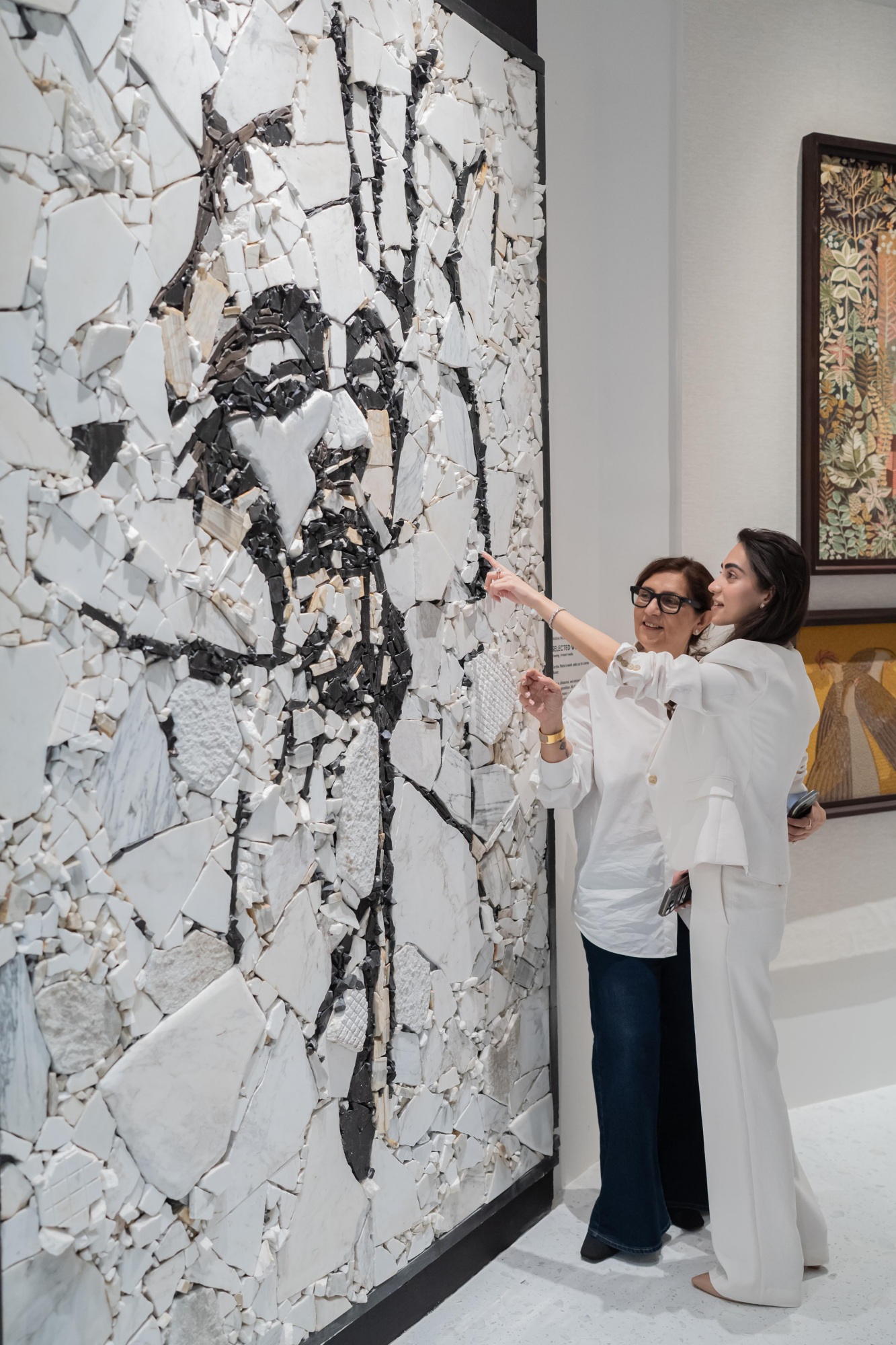
Monika Choudhary, Principal Designer | Founding Partner & CDO and Sarah Choudhary, Director – Interior Design, Hospitality and Commercial, ZHCollective | Habitat Architects
The mother-daughter team, Monika and Sarah, approached the exhibition as an architectural project rather than a conventional collection of luxury products. For the curators, the transition from designing buildings and interiors to presenting individual objects was a natural extension of their work.
AFTER LIFE began as a conversation between Monika and Sarah, two generations of ZHCollective | Habitat Architects, two ways of seeing, and a shared belief that good design acquires meaning through time.
Architecture as Part of the Exhibition
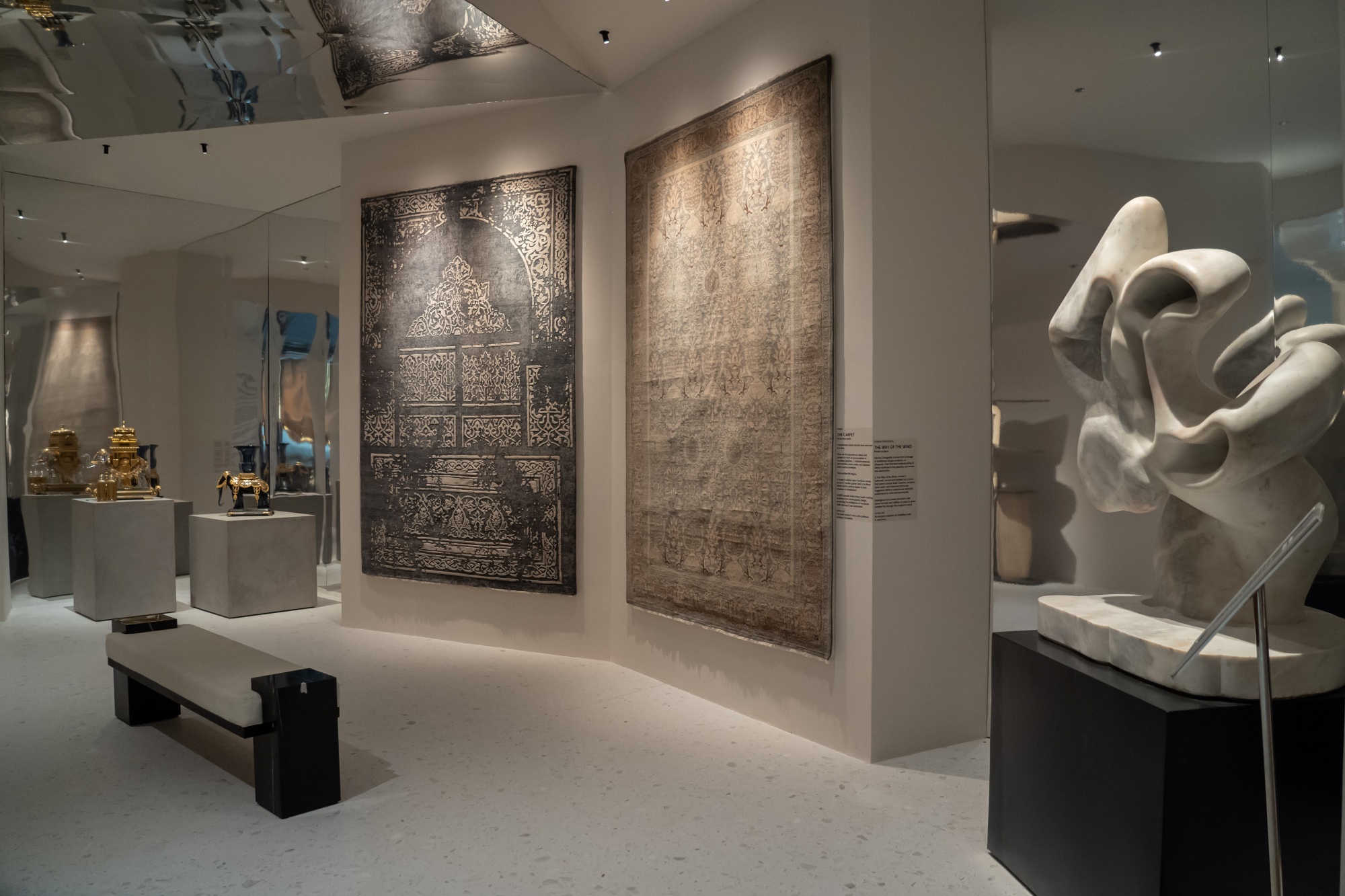
The architectural environment created for the Precious Objects.
One of the most interesting aspects of AFTER LIFE was the architectural environment created for the objects.
Presented within the Muse Pavilion, the exhibition was designed as a sequence of encounters rather than a straightforward arrangement of exhibits. White lime-plastered parametric forms, polished steel, a mirrored ceiling, pale terrazzo flooring and stone plinths formed the principal architectural elements.
The spatial experience alternated between narrower passages and wider volumes, using compression and release to change the visitor's pace. Objects were sometimes partially concealed before being revealed, encouraging visitors to approach them from different viewpoints. The mirrored ceiling introduced another dimension, reflecting the objects, the architecture and the visitors themselves.
Light and shadow were carefully controlled to allow each work to establish its own presence. Lighting design was undertaken by Mr Light, New Delhi. The curators wanted visitors to experience the objects at different distances. From afar, their proportions and overall forms became apparent; closer inspection revealed the workmanship, surfaces and material details.
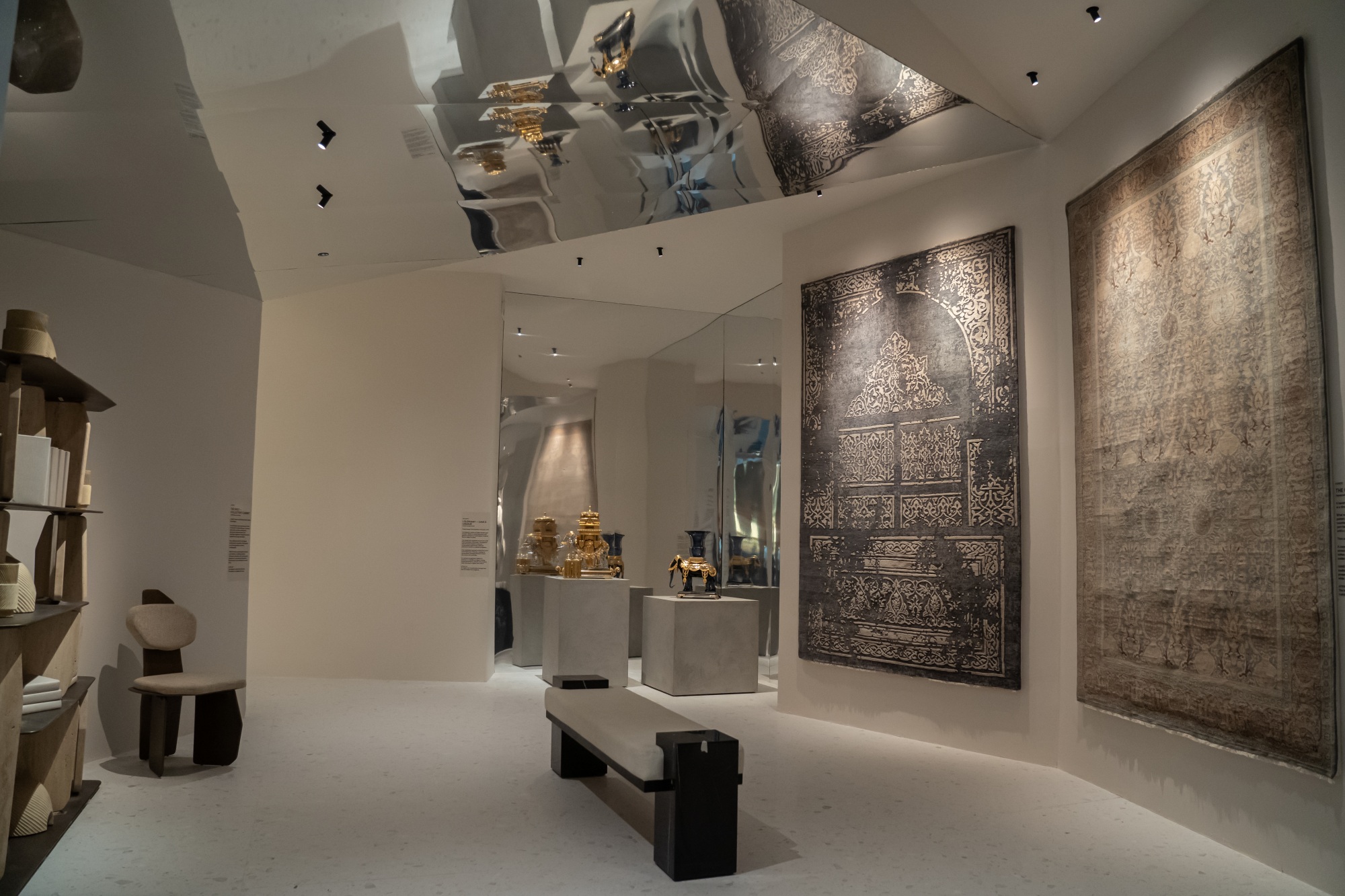
The mirrored ceiling introduced another dimension, reflecting the objects, the architecture and the visitors themselves.
As Sarah explains, "Objects become powerful when they are given room to breathe." This was particularly relevant to a collection that included highly detailed furniture, handcrafted textiles, stone, glass and crystal, each demanding a different way of looking. Even the floor was part of the exhibition. Terrazzo by CMC formed the ground on which visitors moved, connecting the individual displays while demonstrating how fragments of material can become a continuous surface.
The exhibition thus made an important point about curation: the space around an object can be as significant as the object itself.
Beyond the Value of an Object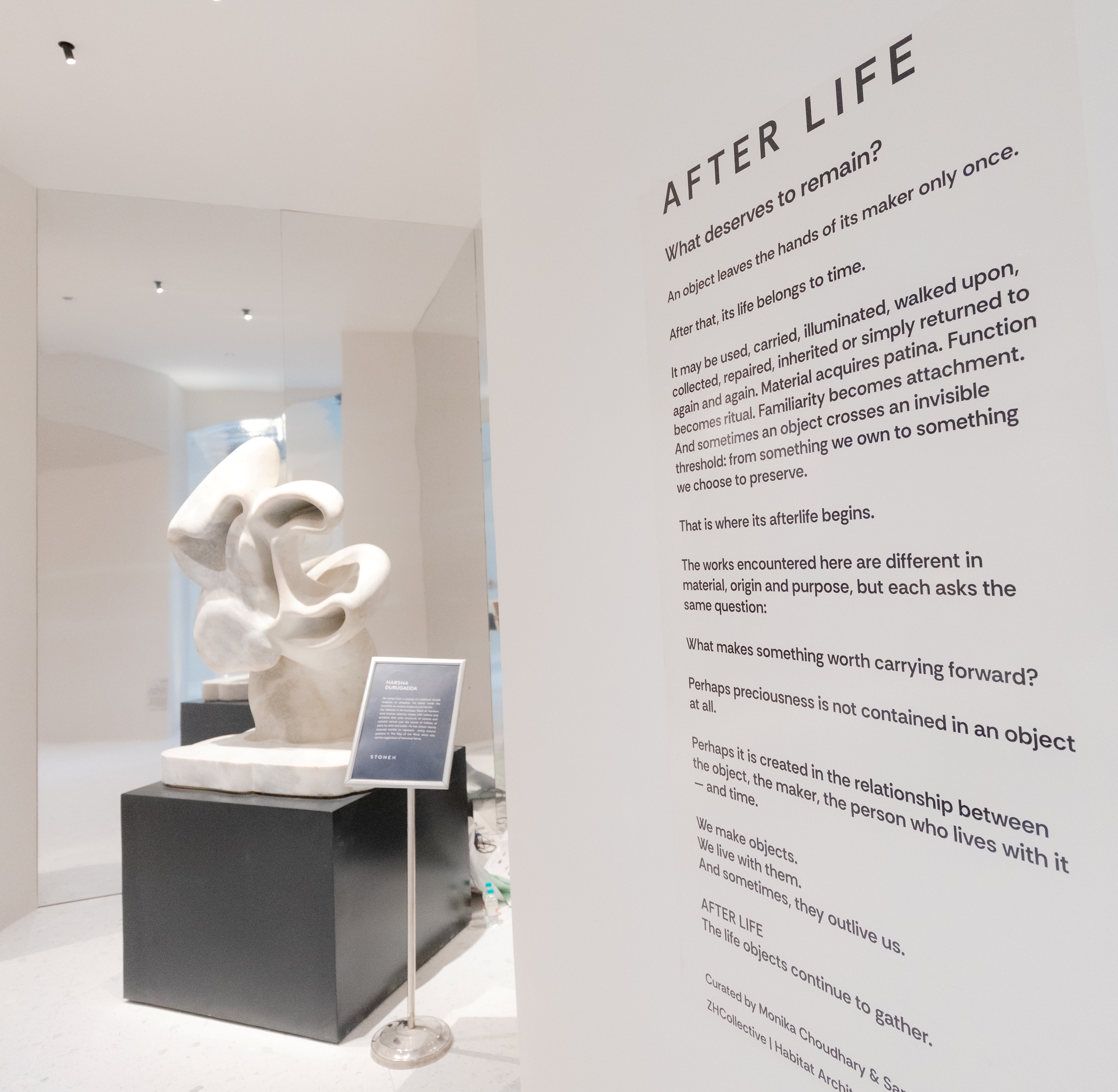
Precious Objects: AFTER LIFE
Monika admits that narrowing down the selection was among the most difficult parts of the curatorial process. The intention was never simply to assemble beautiful or expensive pieces. Each object needed to contribute to the central question of what makes something worth keeping.
AFTER LIFE examined how objects acquire meaning beyond their original making.
The final selection brought together 12 entries, ranging from contemporary Indian furniture and handcrafted textiles to international crystal, lighting, painting and sculpture. Some represented the continuation of traditional craftsmanship. Others explored new technologies, unusual material applications or the reinterpretation of historical forms.
The common thread was the possibility that these objects could acquire meanings beyond those intended by their makers.
A Journey Through Materials and Craft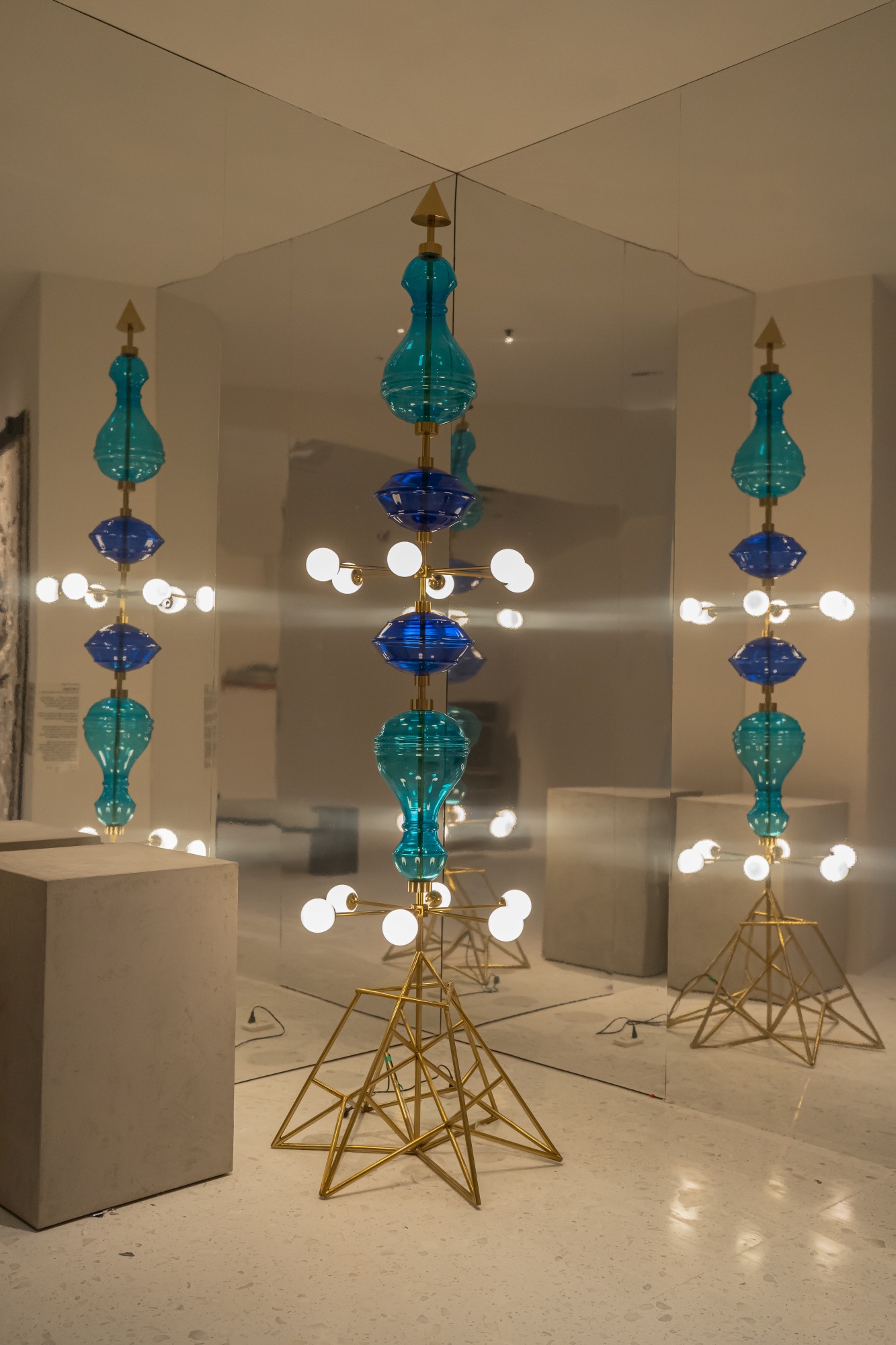
Arjun Rathi Design: Shikhara
Among the selected works was Shikhara by Arjun Rathi Design, a sculptural lighting installation that draws from the ascending forms of Indian temple architecture.
Created using hand-blown glass, brass and light, the work reinterprets an architectural form associated with spirituality through contemporary glassmaking.
Its vertical composition represents the five elements: earth, water, fire, wind and ether.
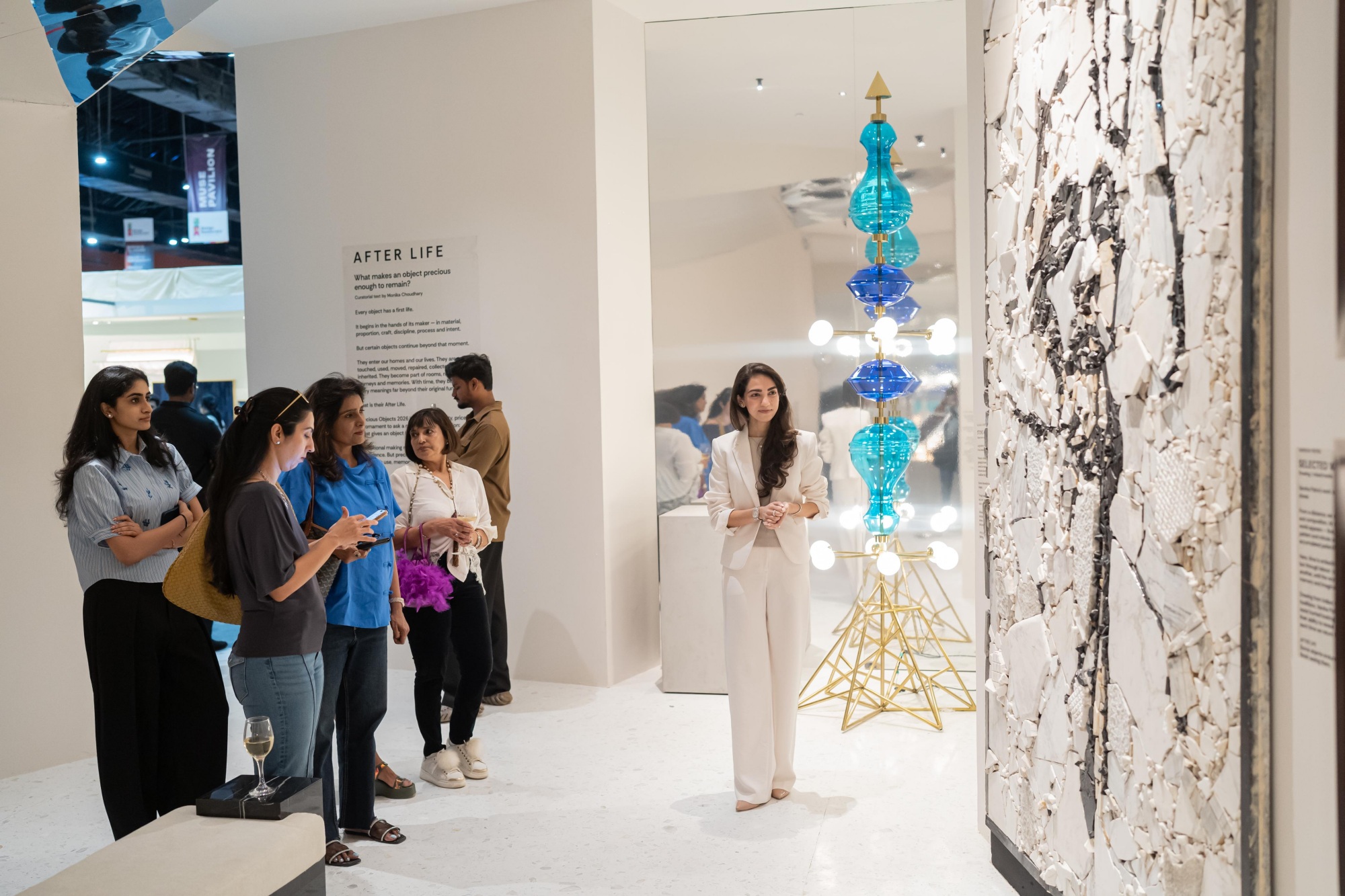
Sarah Choudhary takes visitors through the exhibition.
Monika describes the piece as a reinterpretation of the Indian shikhara, incorporating domed forms and an element of divinity. For her, it demonstrates how a familiar architectural language can be given another identity through material, craftsmanship and technology. The work also reflects Arjun Rathi's wider engagement with glassmaking. His Mumbai-based practice established Rural Modern Glass Studio to encourage contemporary glass craftsmanship in India.
Glass, Monika explains, may be a universal material, but its interpretation varies enormously across cultures and craftspeople. Technique, workmanship and cultural references distinguish one object from another.
From glass, the exhibition moved to stone, a material Monika considers particularly significant in architecture.
The exhibition included Stone as Memory by Ahluwalia Marbles, examining the geological history contained within natural stone. For Monika, however, stone also raises questions about waste.
During a visit to the marble mines of Kishangarh, she was struck by the quantities of discarded material generated through cutting and processing. The experience led to a collaboration with Ahluwalia Marbles, bringing together fragments of different stones, textures and finishes to create an abstract composition.
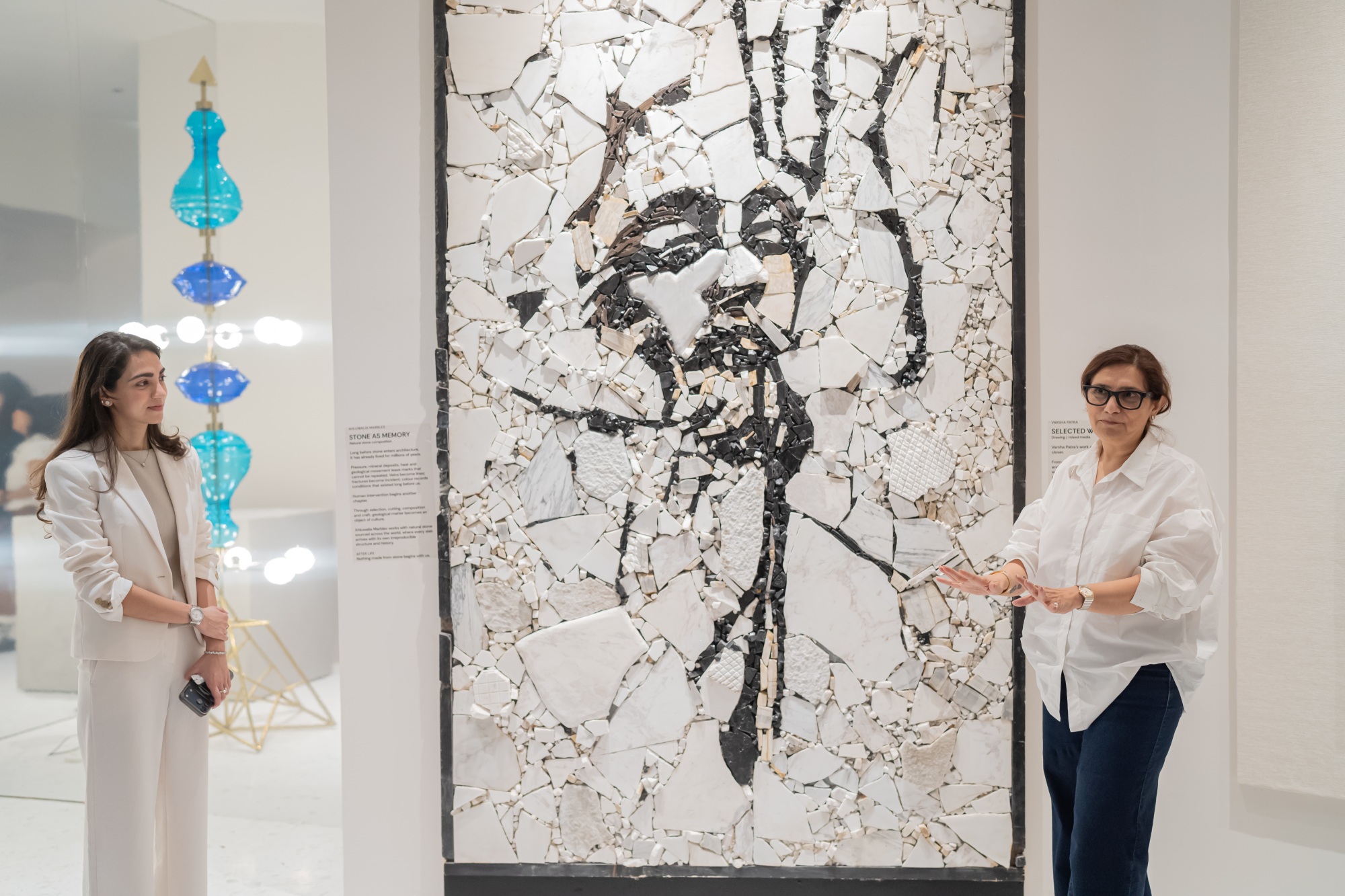
The curators with Ahluwalia Marbles: Stone as Memory
In an industry that consumes large quantities of natural resources, the installation also raised a practical question: can the value of material be recognised before it becomes waste?
The Hand of the Maker
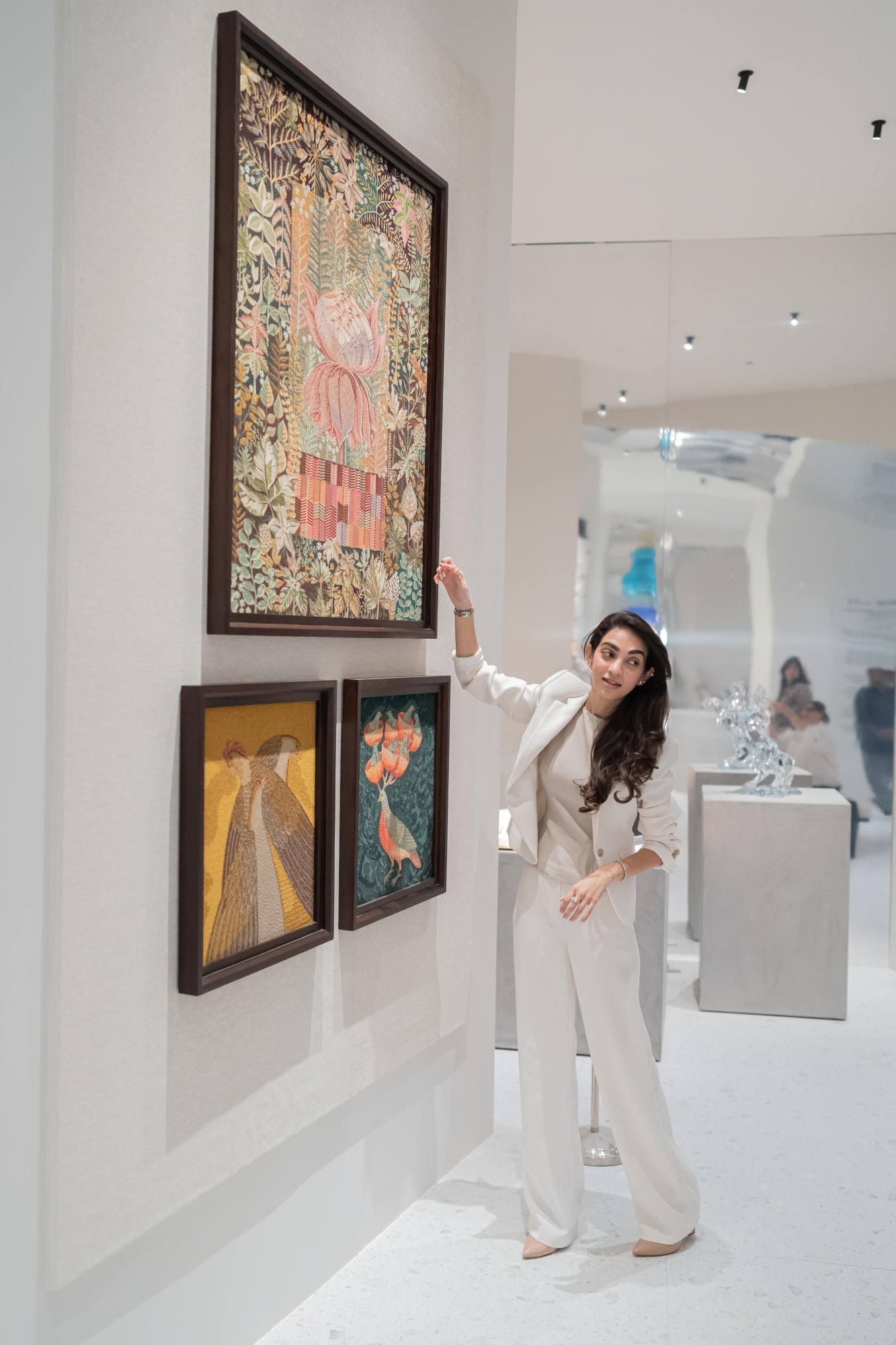
Sarah Choudhary showing selected works of VARSHA PATRA
Indian textile and artistic traditions formed another important part of the exhibition.
Monika speaks about the significance of “sui ka kaam” and “dhaage ka kaam”, needlework and threadwork, as practices that carry generations of knowledge. The selection included works by Hyderabad-based artist Varsha Patra, whose practice draws from Indian visual and cultural traditions.
Through intricate lines, patterns, symbols and references to mythology, her compositions require close observation. Details emerge gradually, making the viewer conscious of the patience and labour involved in creating them.
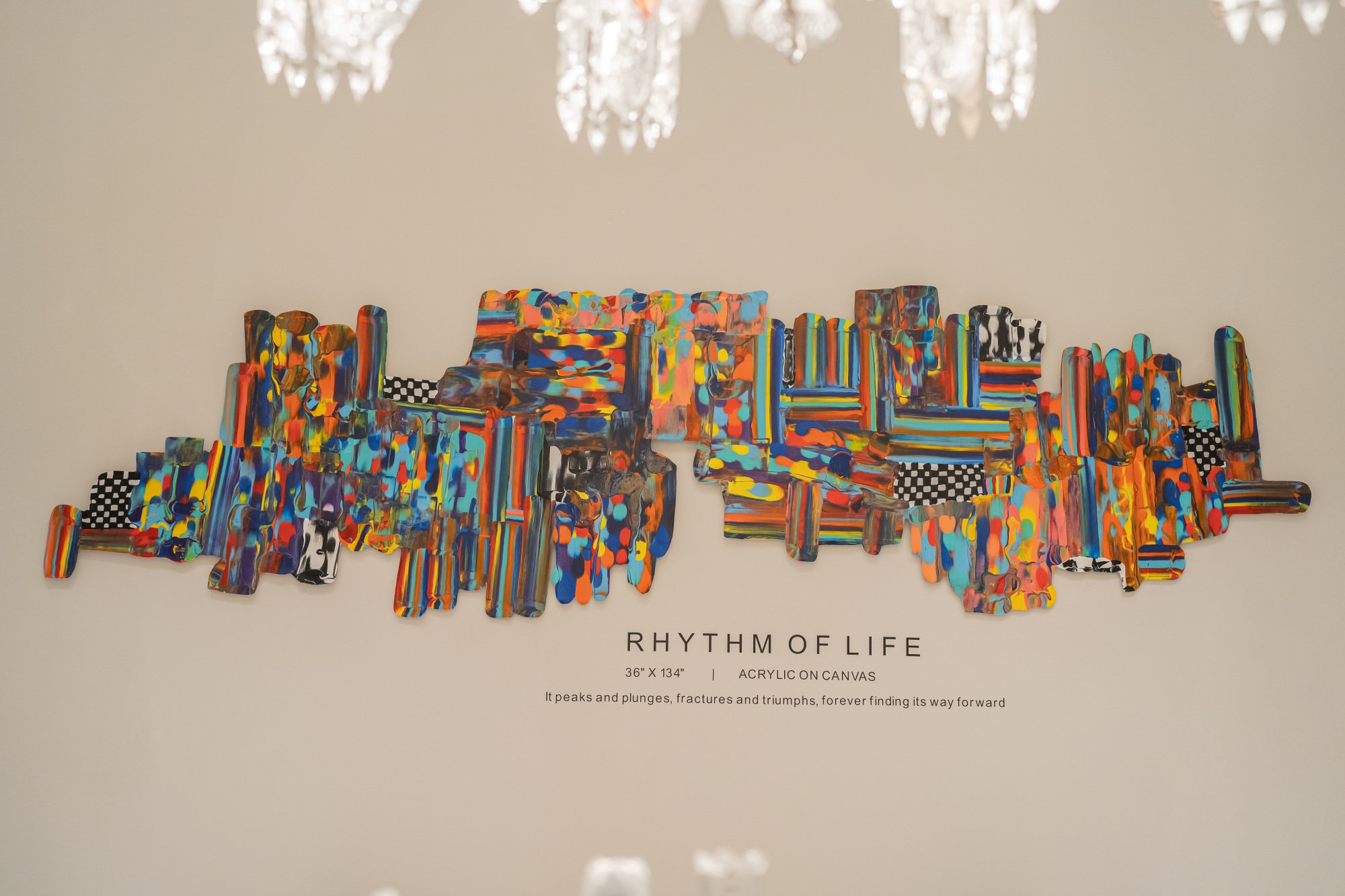
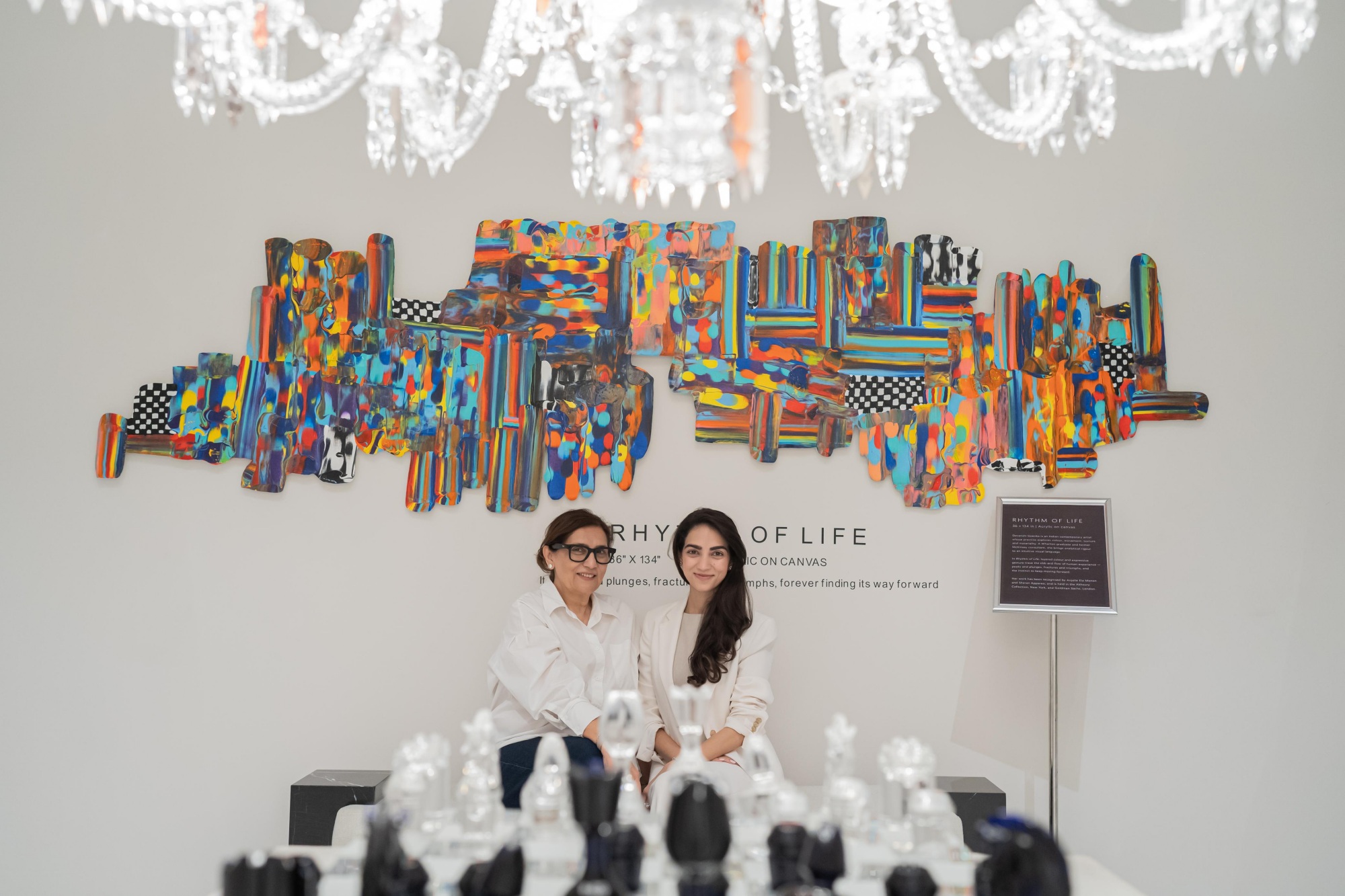
Rhythm of Life by Devanshi Goenka
The exhibition also included “Rhythm of Life”, an acrylic painting by Devanshi Goenka.
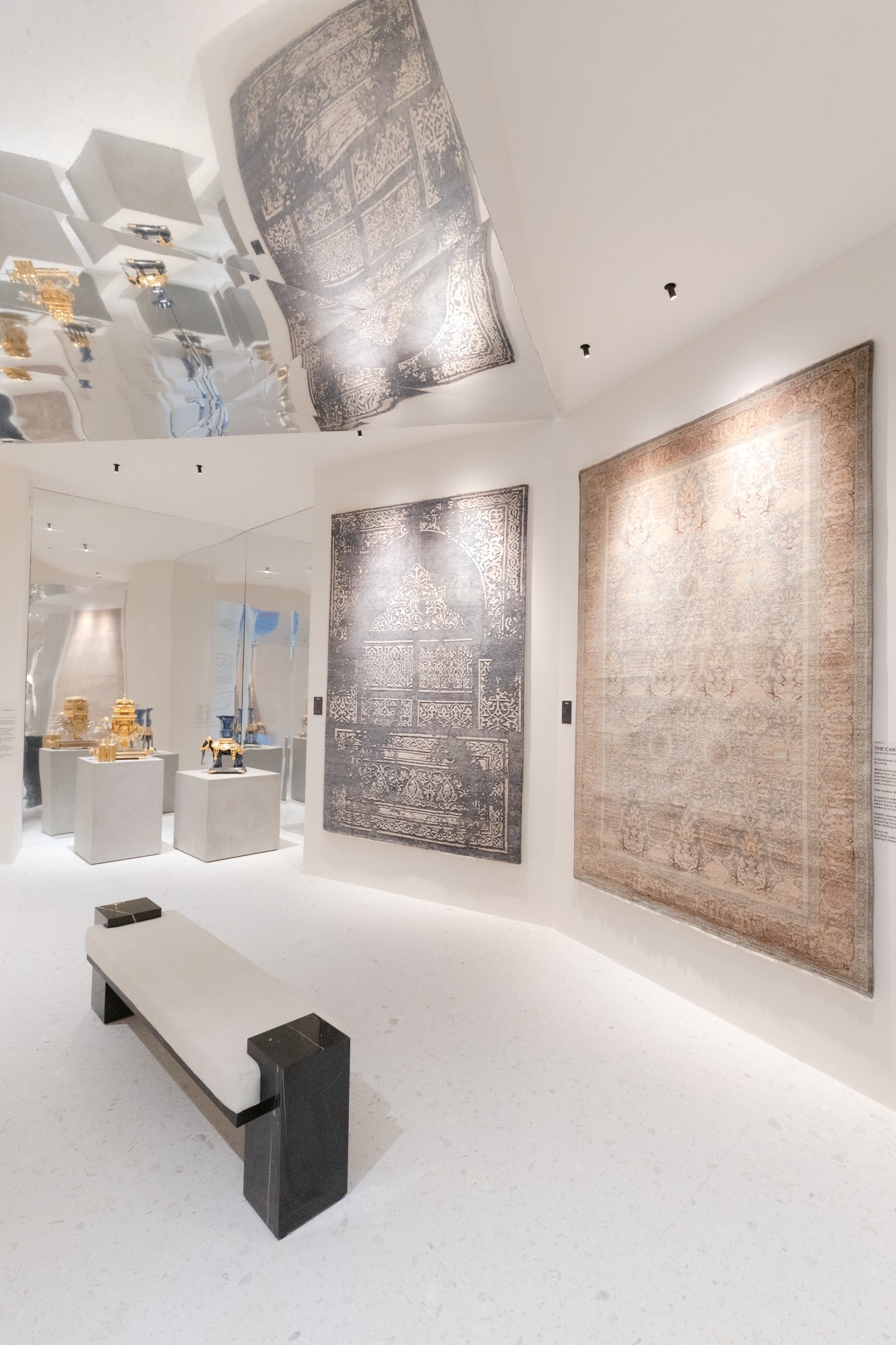
Handcrafted Carpet by Hands
Textiles were represented by HANDS, a brand that extends India's long traditions of carpet-making into contemporary design.
For an architect, Monika explains, carpets and rugs bring warmth and texture to interiors often dominated by harder materials such as stone. A handcrafted carpet also contains the accumulated time of its making. Repeated gestures become pattern, texture and colour. Once placed in a home, daily life adds another layer through use and familiarity.
Furniture That Becomes Part of a Family's History
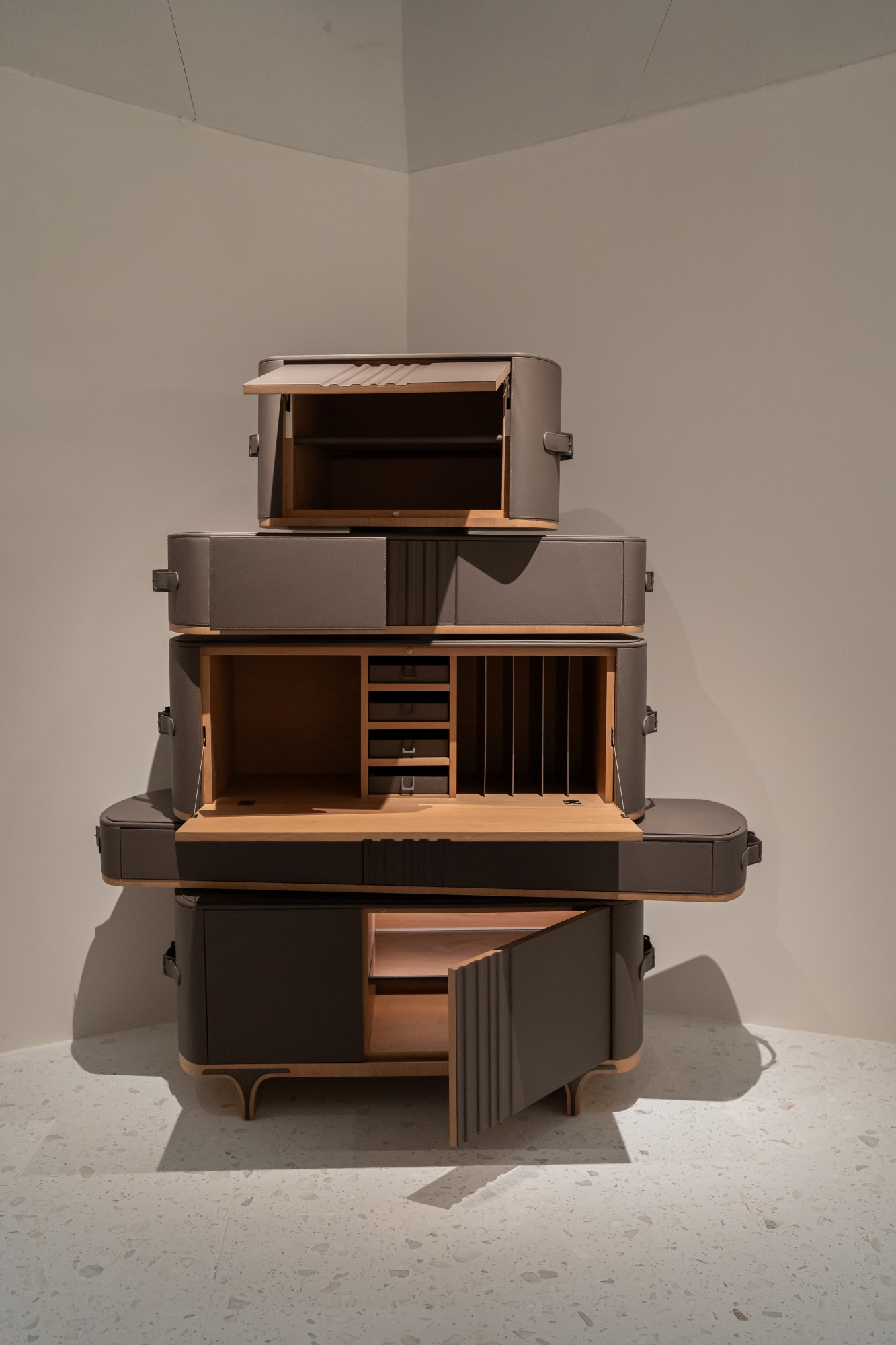
The Bureau by RAVOH
The exhibition also featured furniture by RAVOH and WRIVER, two makers with whom Monika says her practice has maintained relationships for approximately 25 years.
RAVOH, founded by Ravish Vohra after three decades of experience in bespoke furniture-making, presented “The Bureau”.
A bureau is a functional object, but it also occupies a particularly personal place in a home. Its drawers hold letters, documents, keepsakes and the small possessions that accumulate over a lifetime.
What begins as a piece of furniture can gradually become a repository of private histories.
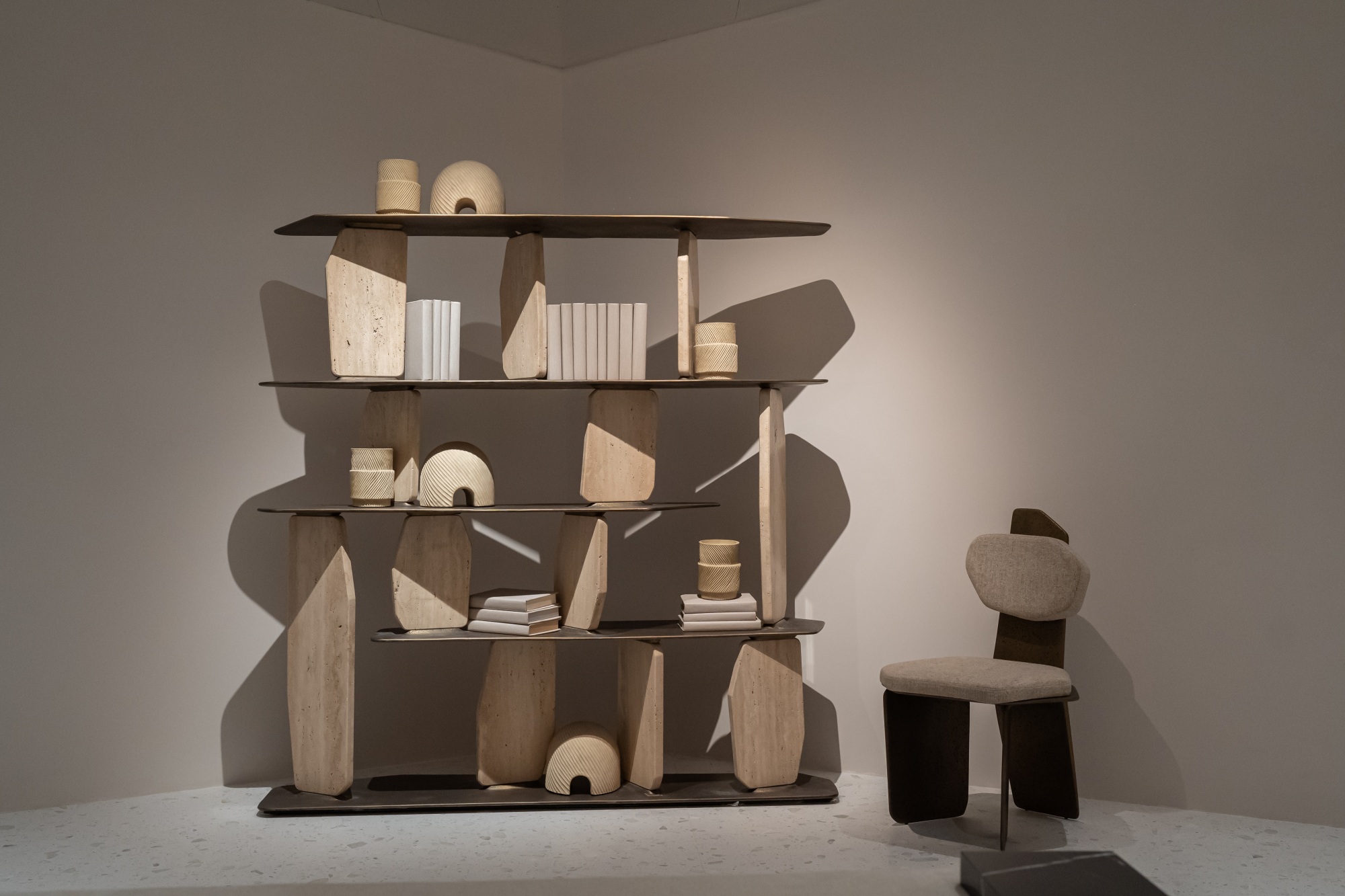
The Shelf by Wriver
WRIVER presented The Shelf: Collector's Cabinet, a contemporary piece defined by an irregular composition of solids and voids.
Its architectural geometry provides a framework, but the cabinet is completed by the person who owns it. Books, artworks, photographs, inherited objects and personal collections eventually determine its character. In this sense, a cabinet becomes a changing portrait of its owner.
It is precisely this relationship between the quality of making and the life of an object that AFTER LIFE set out to explore.
Crystal, Light and the Passage of Time
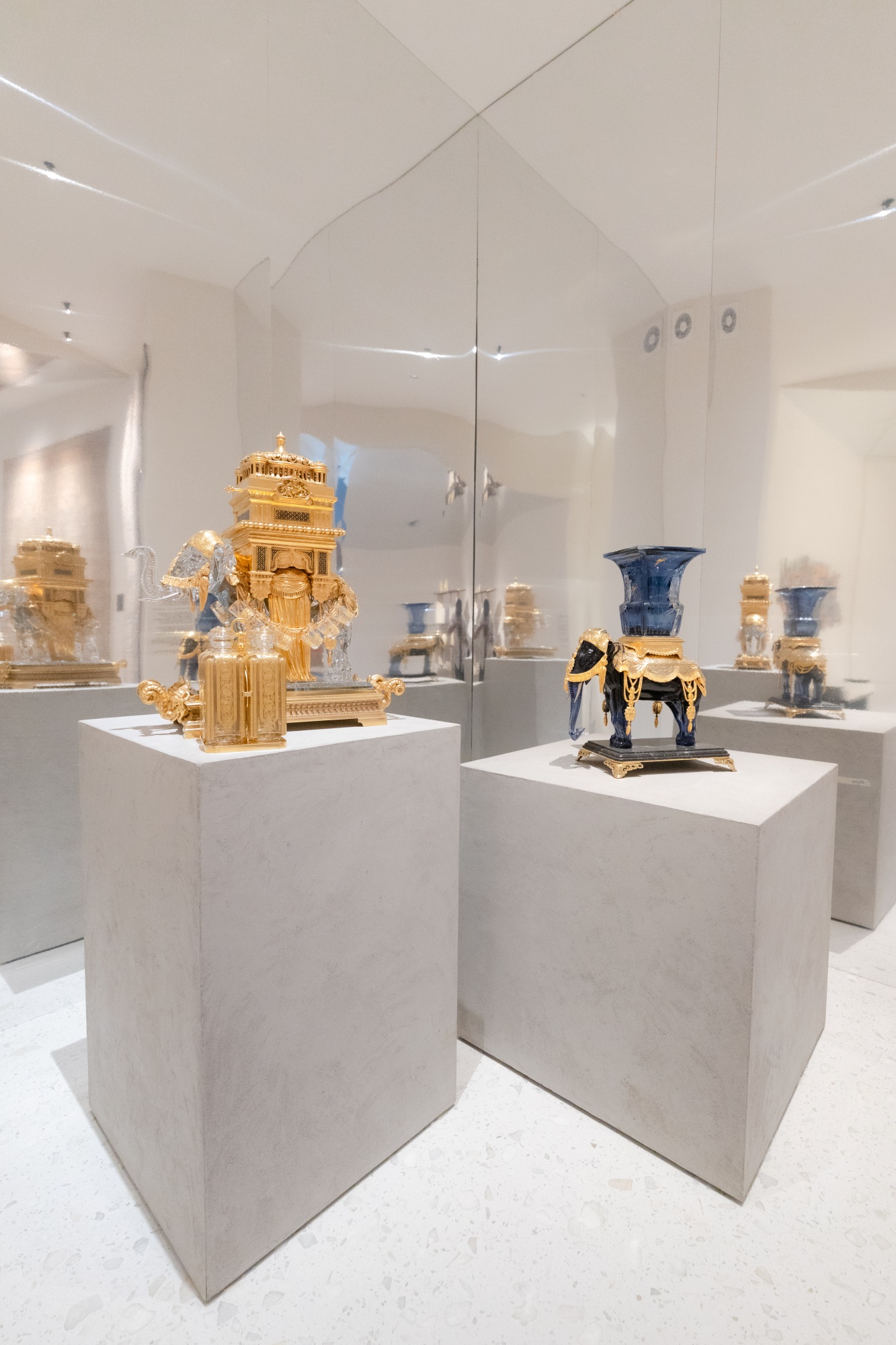
Four works by Baccarat bring crystal, light and decorative history into conversation.
The international dimension of the exhibition was represented by Baccarat, whose display included the Zénith Chandelier, L'Éléphant — Cave à Liqueur, the Elephant Vase in Midnight Blue and a chess set designed by Marcel Wanders.
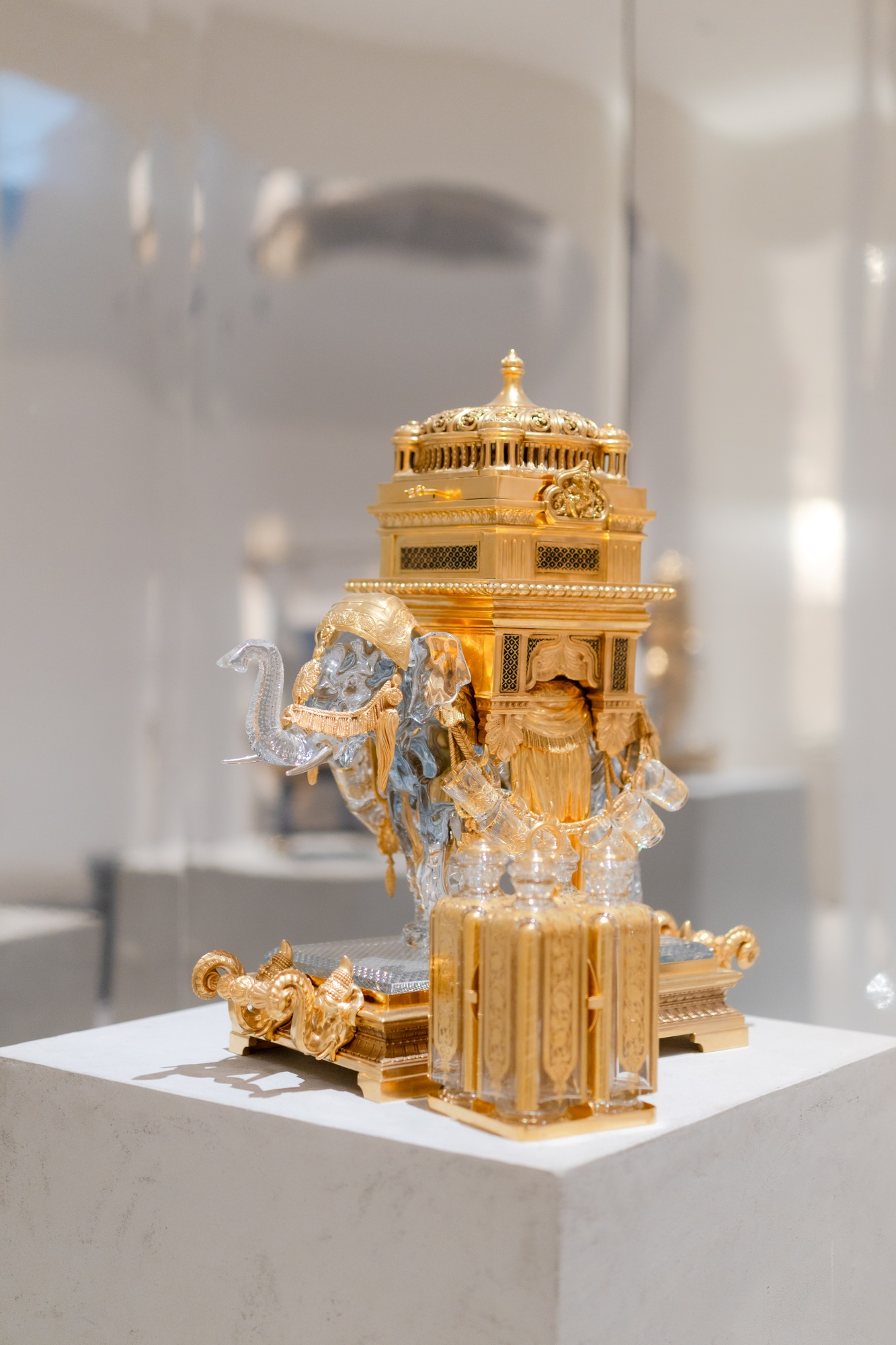
L’Éléphant — Cave à Liqueur
These objects introduced a different conversation about craftsmanship and continuity.
The Zénith chandelier dates back to Baccarat's nineteenth-century manufacturing history, while the L'Éléphant design first appeared around the Paris Exposition Universelle of 1878.
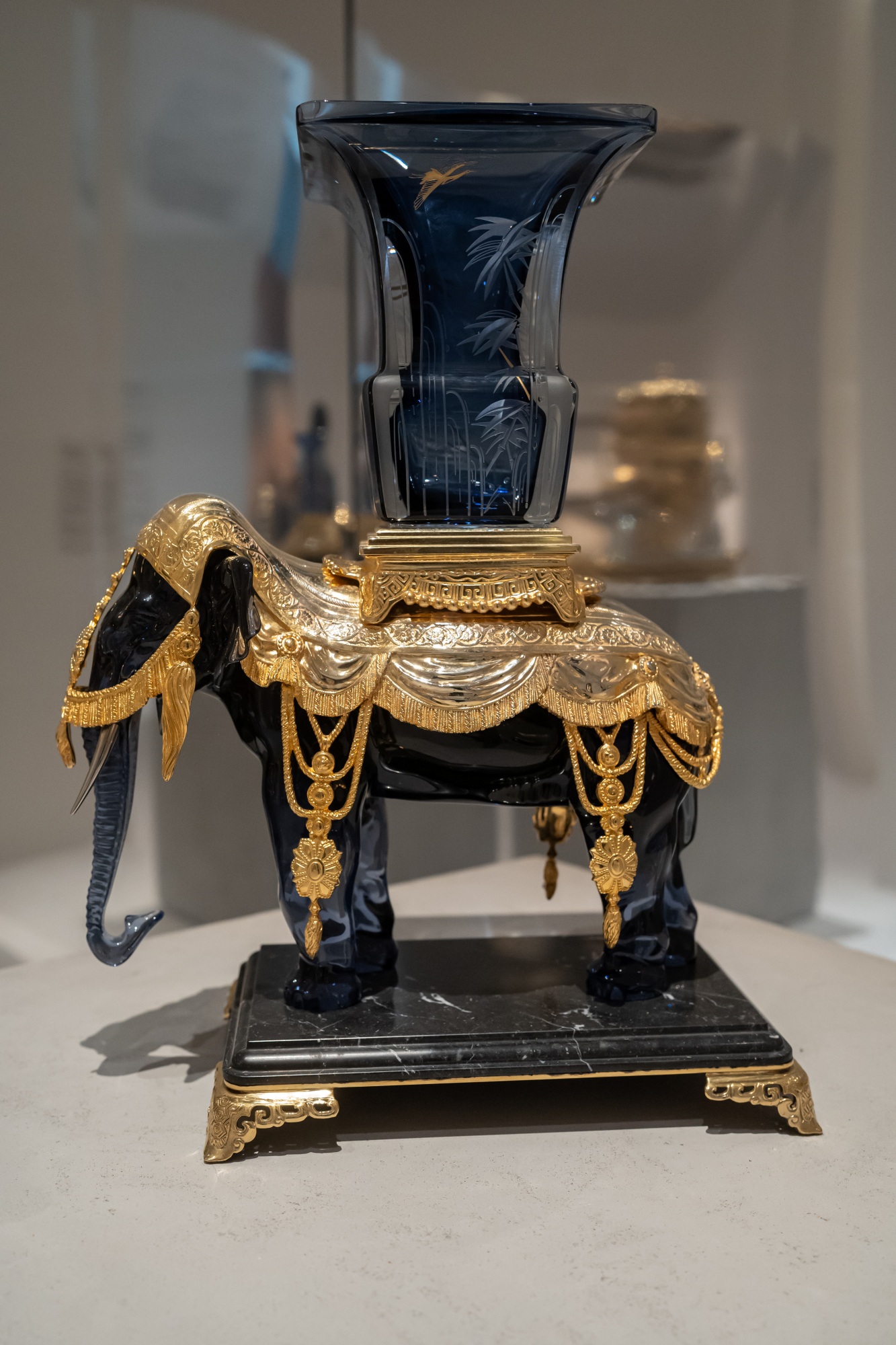
Elephant vase in midnight blue by Baccarat
One celebrated example of the elephant design became associated with the Maharaja of Baroda, demonstrating how an object created in one cultural setting can acquire a new history in another.
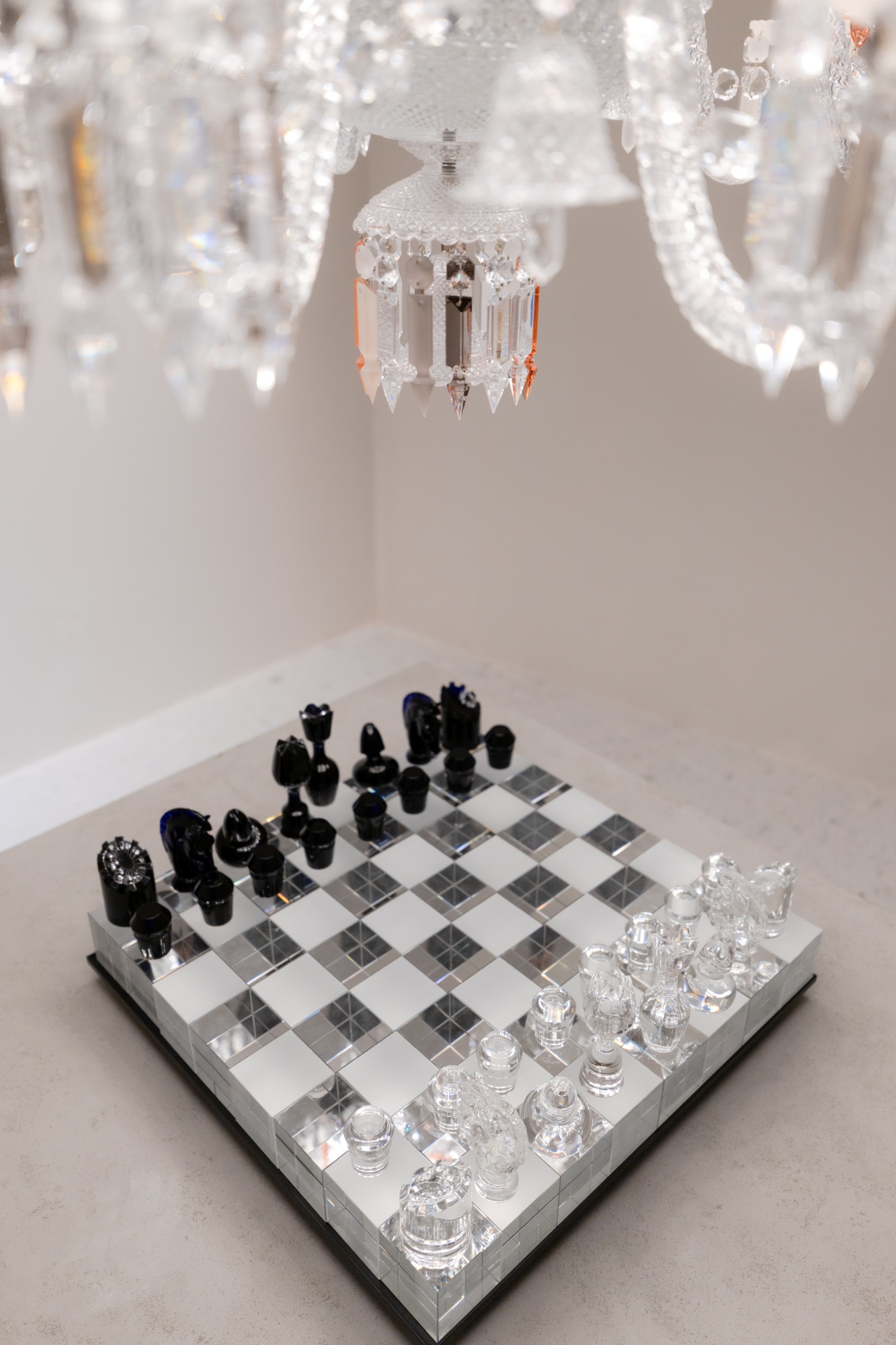
Chess Set by Marcel Wanders
The chess set by Marcel Wanders introduced a more interactive dimension. Unlike a decorative object intended primarily to be admired, a chess set gains meaning through use, touch and the time people spend together around it. Contemporary lighting was represented by MOORGEN, presented by Mr Light.
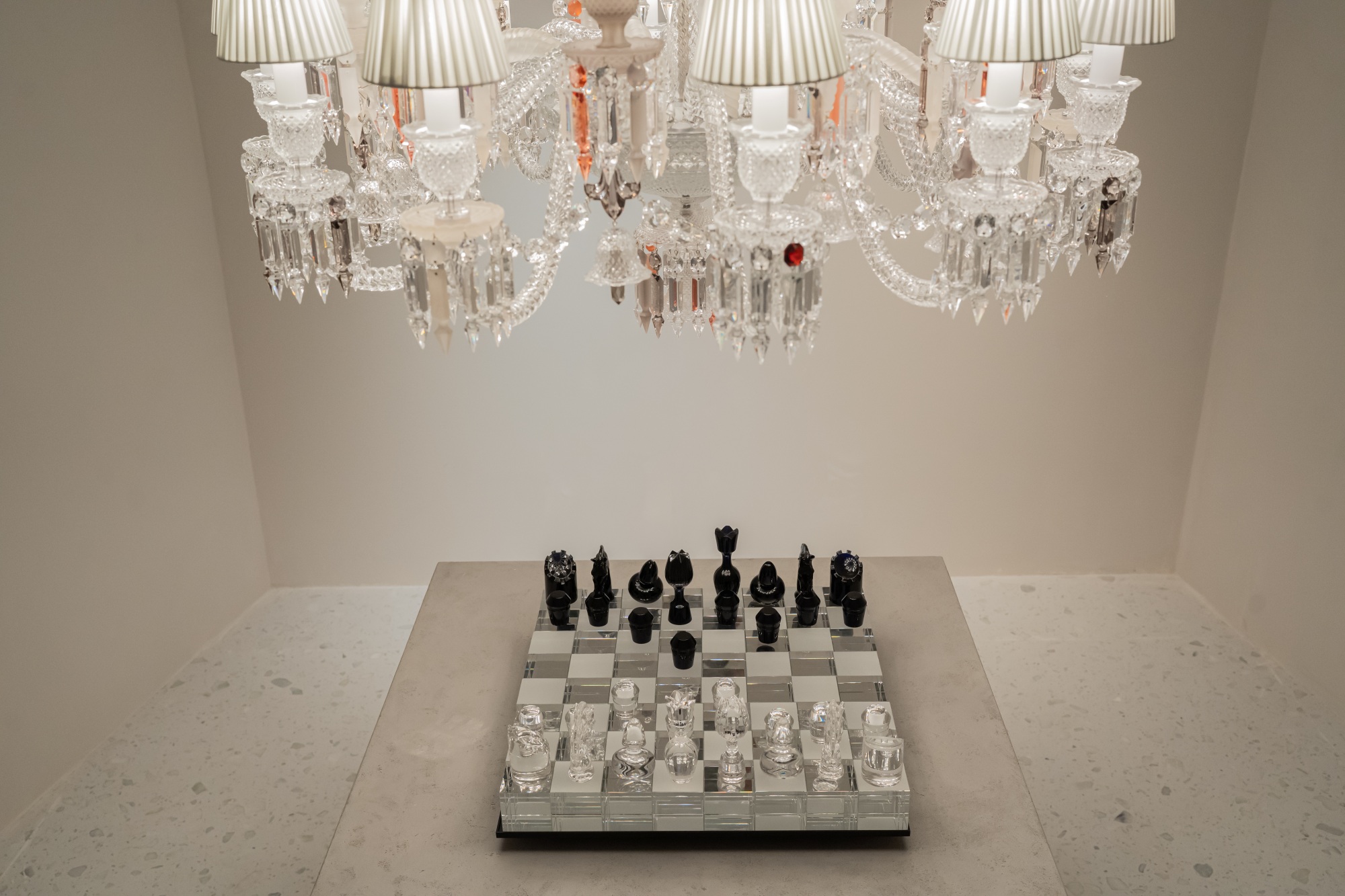
The most photographed segment of the exhibition
The collection combines decorative lighting with intelligent technology, allowing illumination to respond to the atmosphere and requirements of a space. Here, the object is important not simply for its appearance but for the experience it creates.
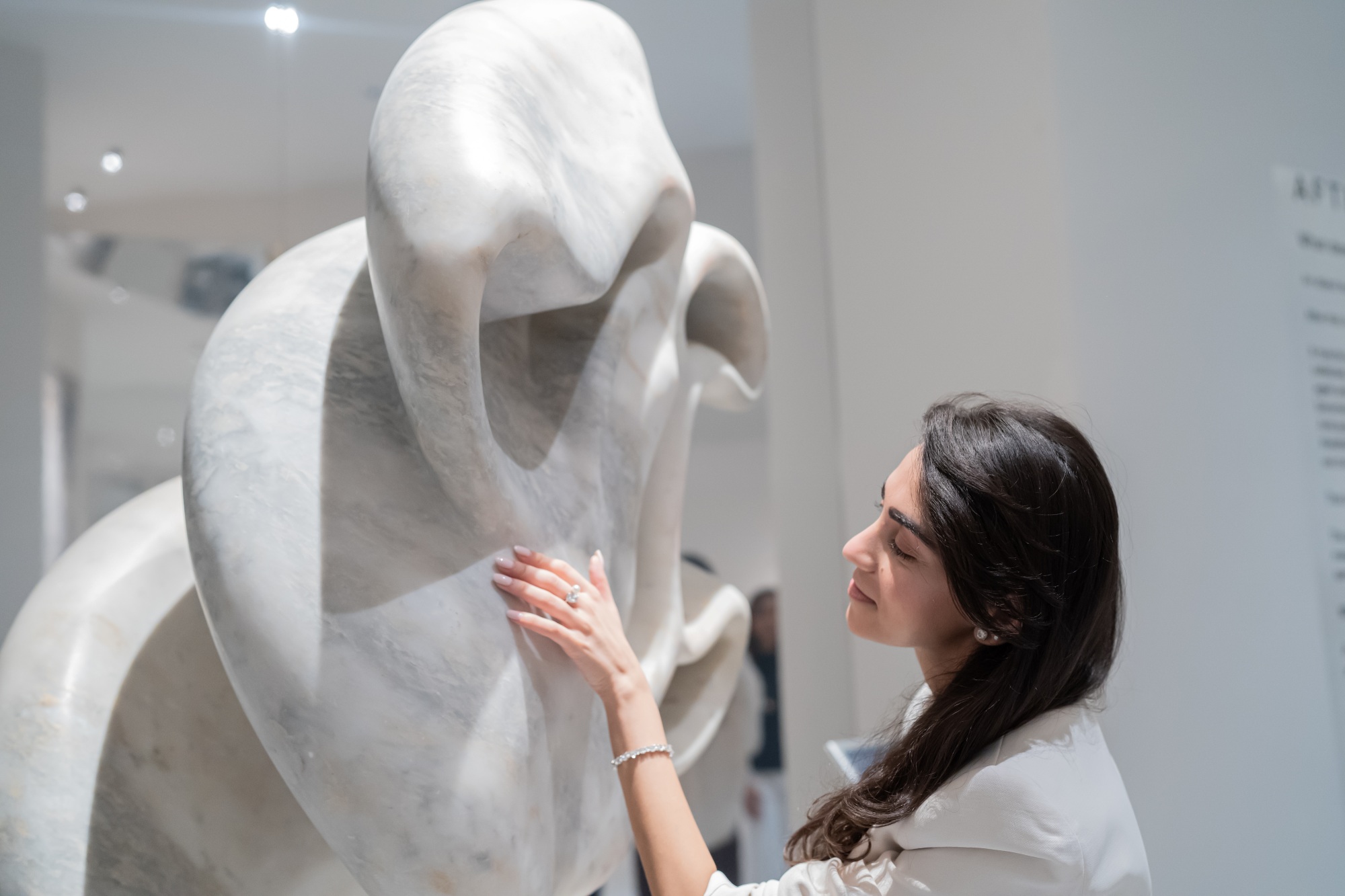
The Way of the Wind, a marble sculpture by Harsha Durugadda
The exhibition also included The Way of the Wind, a marble sculpture by Harsha Durugadda, presented with Stonex. Coming from a lineage of traditional temple sculptors, or sthapatis, Durugadda works with marble in a way that challenges its association with weight and permanence. The stone is hollowed, curved and striated to suggest movement, as though wind and water have passed through its surface. The sculpture brings together two different timescales: the geological formation of the material and the intervention of the artist.
Together, these works demonstrated the breadth of the curators' understanding of preciousness.
The Trunk That Brought Back Childhood Memories
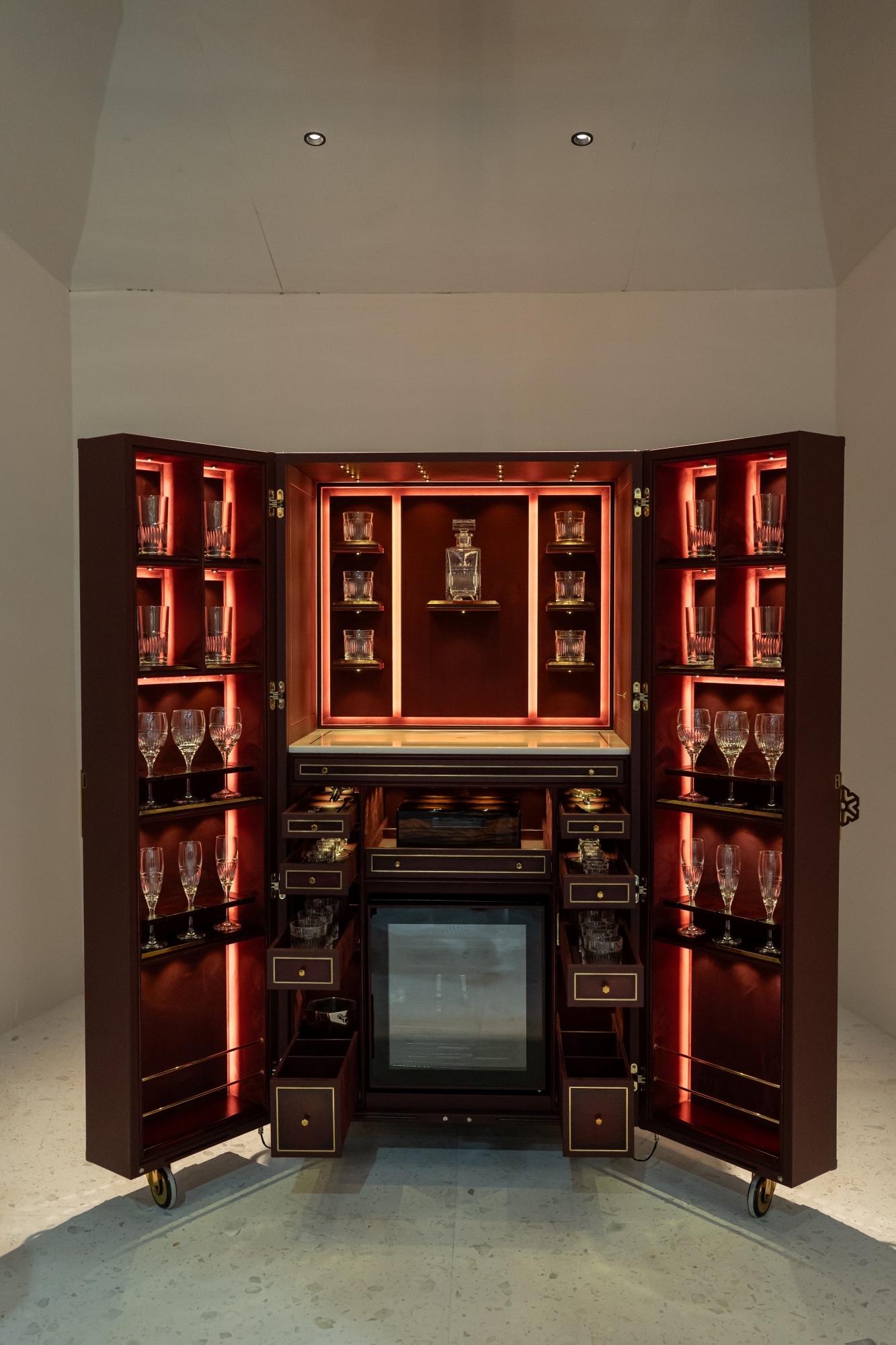
Medium Bar Cabinet by Jaipur Trunk Company
Of all the objects in the exhibition, one held particular significance for Monika: the “Medium Bar Cabinet Trunk” by Trunks Company, Jaipur.
When SCALE asked which piece she would most like to take home, her answer was immediate.
"My favourite piece is the trunk from the Jaipur Trunk Company."
The contemporary trunk brings together several traditional Indian crafts, including leatherwork, inlay, stone and wood, supported by sophisticated technology and precision manufacturing. Its construction involves five craft studios and 12 stages of making.
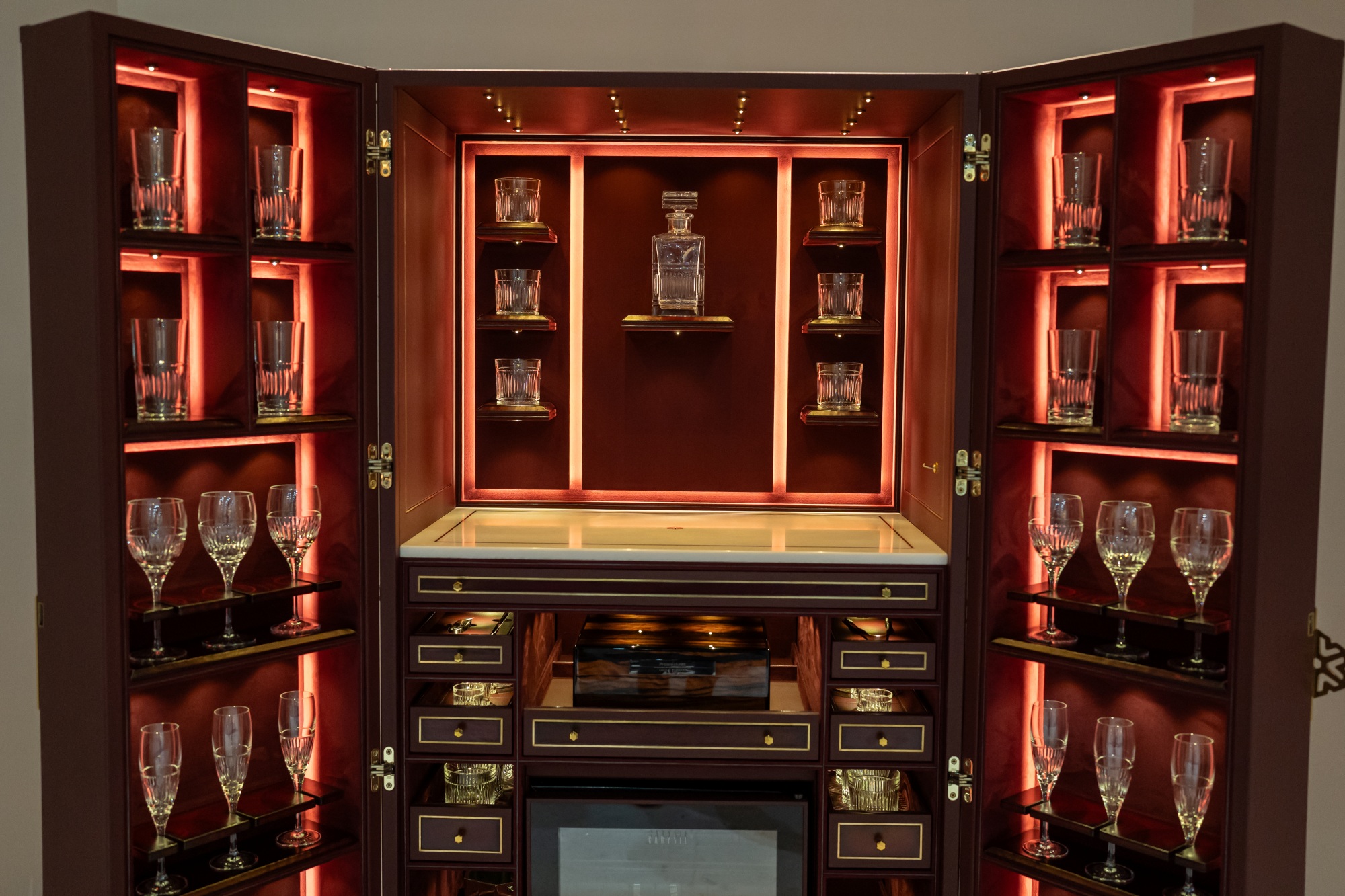
Luxury at its finest, Jaipur Trunk Company
According to the exhibition documentation, each trunk requires more than 2,800 hours of craftsmanship, with fewer than 100 produced by the Jaipur atelier annually. The trunk opens to reveal carefully organised compartments, turning an object associated with travel and storage into an elaborate piece of functional furniture. Monika describes it as a functional piece of art, one that brings India's craftsmanship into a contemporary design context without losing its connection to heritage. But her attachment to the trunk is far more personal.
It reminds her of her grandfather, who worked in fashion many decades ago and owned a trunk that accompanied him and occupied a place in his studio.
As a child, she remembers it as a treasure chest, filled with carefully arranged possessions. There were compartments for clothes, places for shoes and spaces for the various objects that formed part of his working life. The trunk was practical, but it was also an object around which childhood memories developed.
As she grew older, Monika became increasingly aware of how the culture of buying and discarding had diminished the presence of such objects in everyday life. Encountering the Jaipur trunk brought those memories back.
"So, when I came by Jaipur Trunk, it was so nice to see that whole art revived with the kind of craftsmanship which is required today to put India's design much on a global level but not forgetting our heritage and past."
The Most Precious Objects Are Often the Most Personal
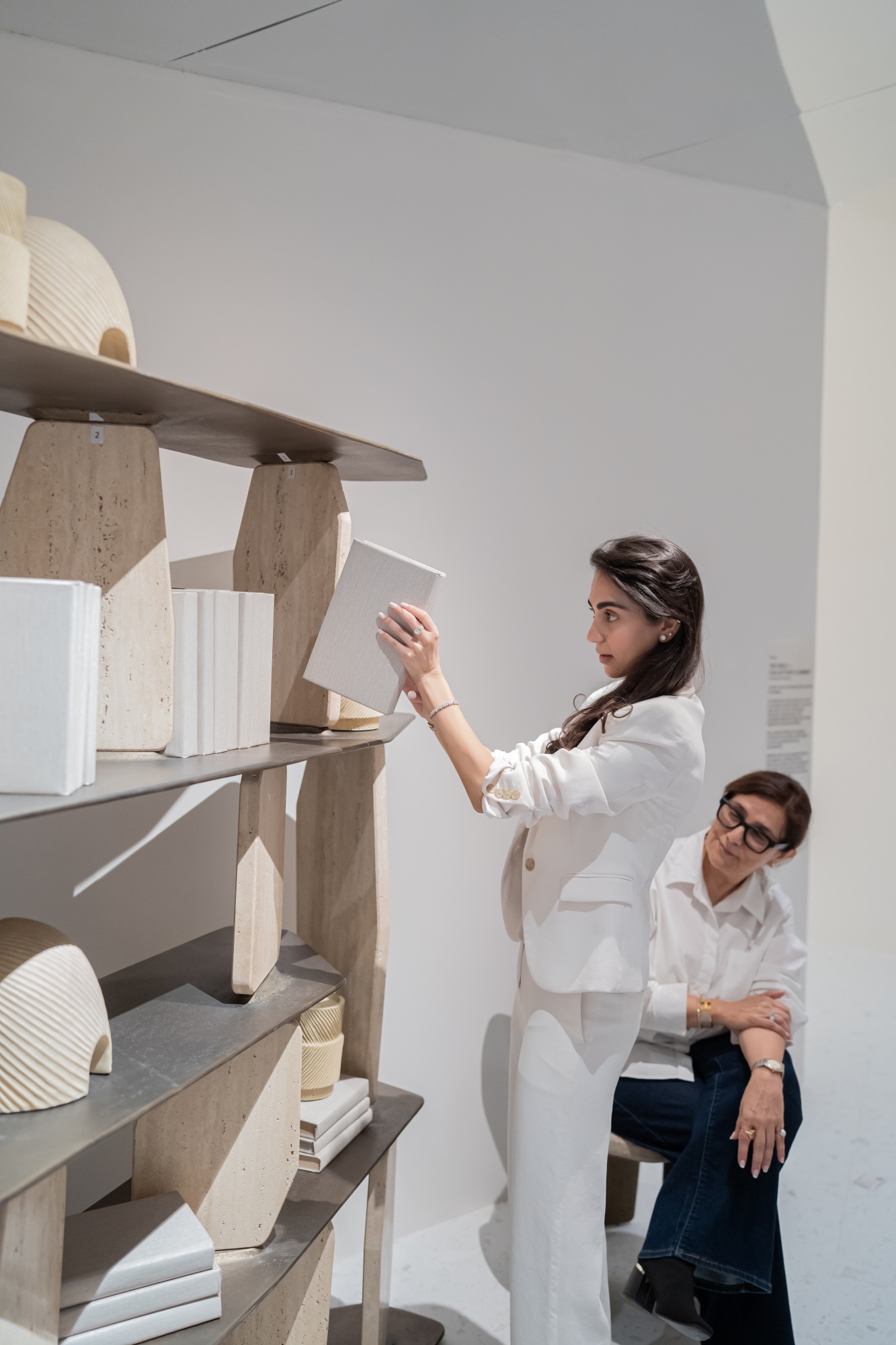
Precious Objects, an exhibition that questioned how we look at acquisitions
Towards the end of SCALE's conversation, Monika was asked to identify the most precious object in her own life, beyond the pieces selected for the exhibition.
Her response returned to memories of family, children, grandparents, parents and friends.
"For me, anything which sits with my memories, which gives me a life, which gives me a thought process." She spoke about objects purchased with her children, things inherited from family members and possessions connected to shared rituals and experiences.
These are the objects that contribute to her sense of well-being, not necessarily because they are beautiful or expensive, but because they recall people and moments.
It is a distinction that gives “Precious Objects: AFTER LIFE” its relevance. At a design fair filled with new products, materials and innovations, the exhibition asked visitors to consider what happens after the excitement of acquiring something new has passed.
What Makes Design Worth Keeping?
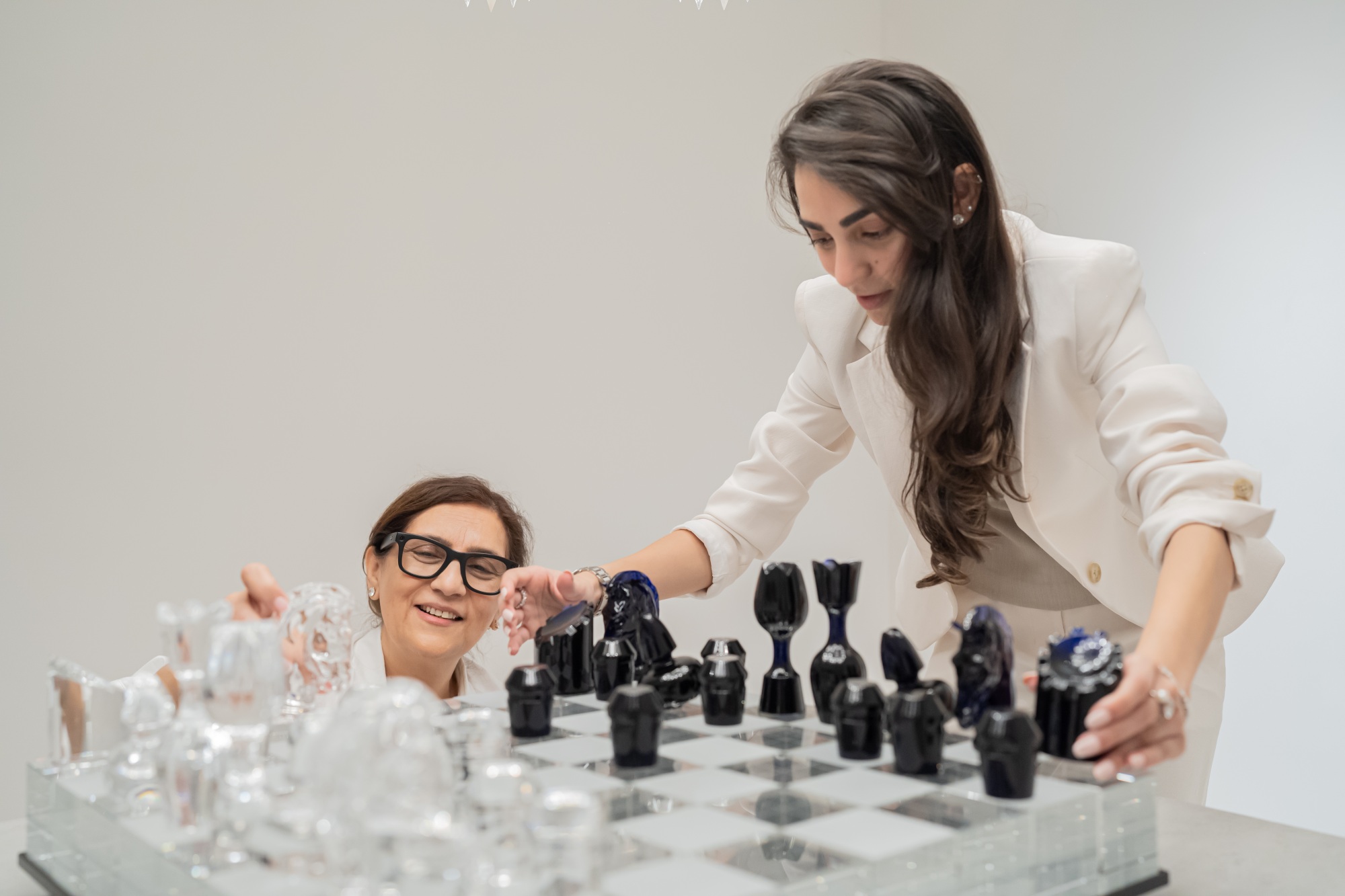
The curators proposed that preciousness is not necessarily determined at the moment an object is created.
The exhibition also opened up a wider conversation about responsible design and luxury. Is an object valuable simply because it is old? Does exceptional craftsmanship guarantee that something will remain meaningful? And does nostalgia sometimes encourage us to preserve things that no longer serve a purpose? These are questions that become increasingly relevant in a culture driven by consumption and constant replacement. The curators proposed that preciousness is not necessarily determined at the moment an object is created.
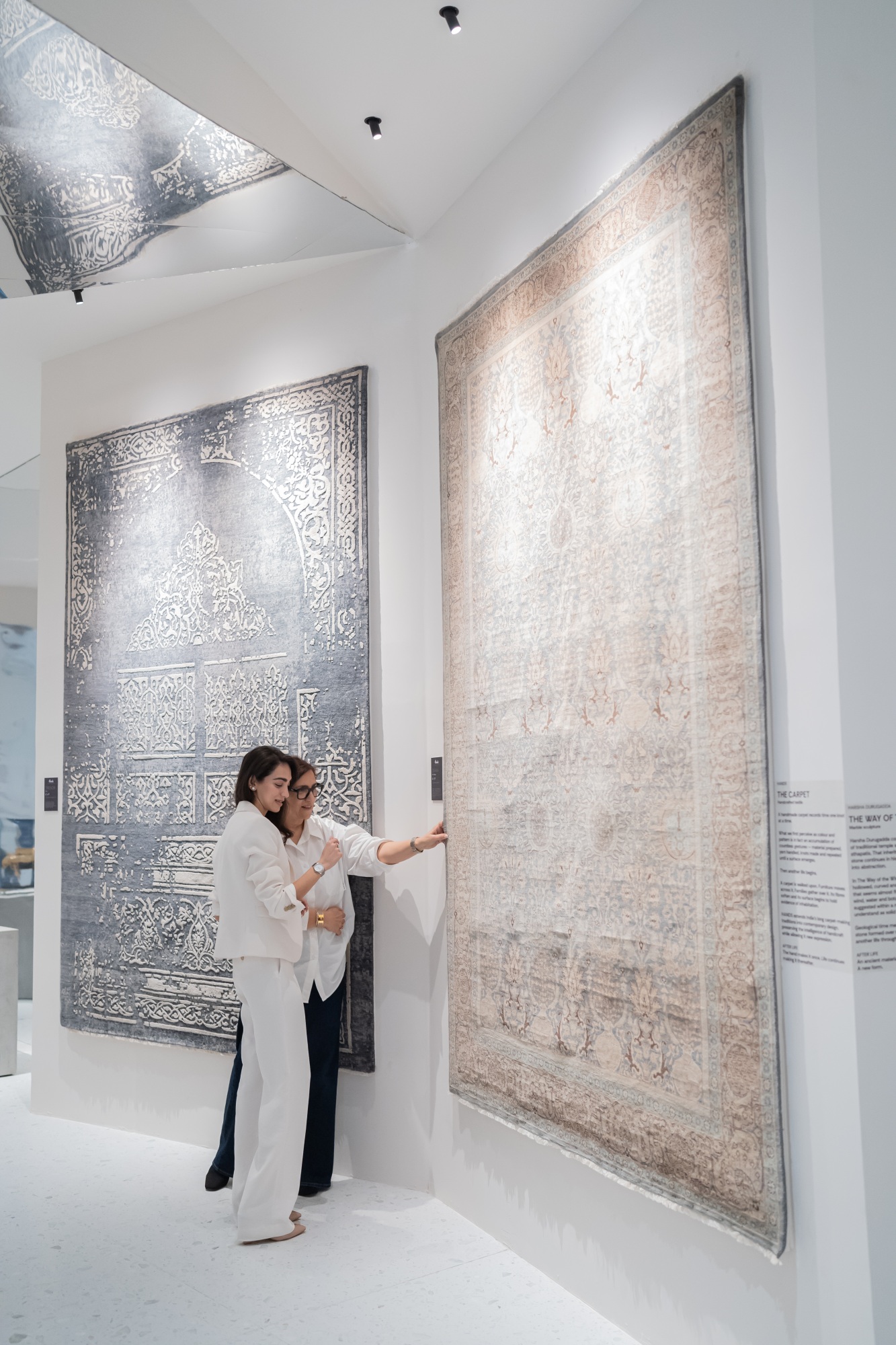
Precious Objects: After Life is also a conversation on consumerism.
Material quality, craftsmanship and design establish its first life. Its subsequent value develops through the people who use it, the places it occupies and the associations it gathers.
In this sense, AFTER LIFE also becomes a conversation about sustainability. Rather than focusing only on how an object is made, it asks how long that object will remain relevant and whether another generation will find reasons to keep it.
All Images Courtesy of ZHCollective | Habitat Architects